

Video of the Week
Deep Dive of the Week
The Machine Payments Protocol

The financial infrastructure of the internet is being re-architected. On March 18, 2026, the launch of the Machine Payments Protocol (MPP) and the Tempo mainnet signaled the possible end of the human-centric checkout era. Actually, this could be a fundamental shift in how value moves across the web. For thirty years, the internet lacked a native value layer, forcing the industry to build increasingly complex user interfaces around legacy credit card rails. These interfaces, designed for human psychology, have become the primary bottleneck for the emerging agenticeconomy.y
I believe the fundamental friction of the modern web is the “human-in-the-loop” requirement for commerce. AI agents do not use browsers. They do not click buttons, they do not solve CAPTCHAs, and they do not possess the cognitive friction that leads to cart abandonment. When an AI agent requires a resource, payment is a programmatic prerequisite for task completion; it is not a psychological preference. The Machine Payments Protocol, co-authored by Stripe and Tempo Labs, formalizes this reality by reviving the HTTP 402 “Payment Required” status code into a standardized, machine-readable challenge-response framework.

This week’s reports

1️⃣What actually makes launching a card programme hard?
2️⃣What if the future of digital money is not stablecoins, but deposits in a new form?
3️⃣What happens when money becomes programmable but accountability does not scale with it?
4️⃣Impact of fintech in Australia
5️⃣How crypto fraud strategies are evolving for 2026
7️⃣Revolut’s numbers are extreme
This week’s insights
1️⃣How Institutional Tokenization Is Actually Structured Today
2️⃣Post-Brex Ramp vs Mercury
3️⃣What is Required to Establish and Manage a BIN Sponsorship Program?
4️⃣What is actually driving fintech adoption in the Middle East right now?
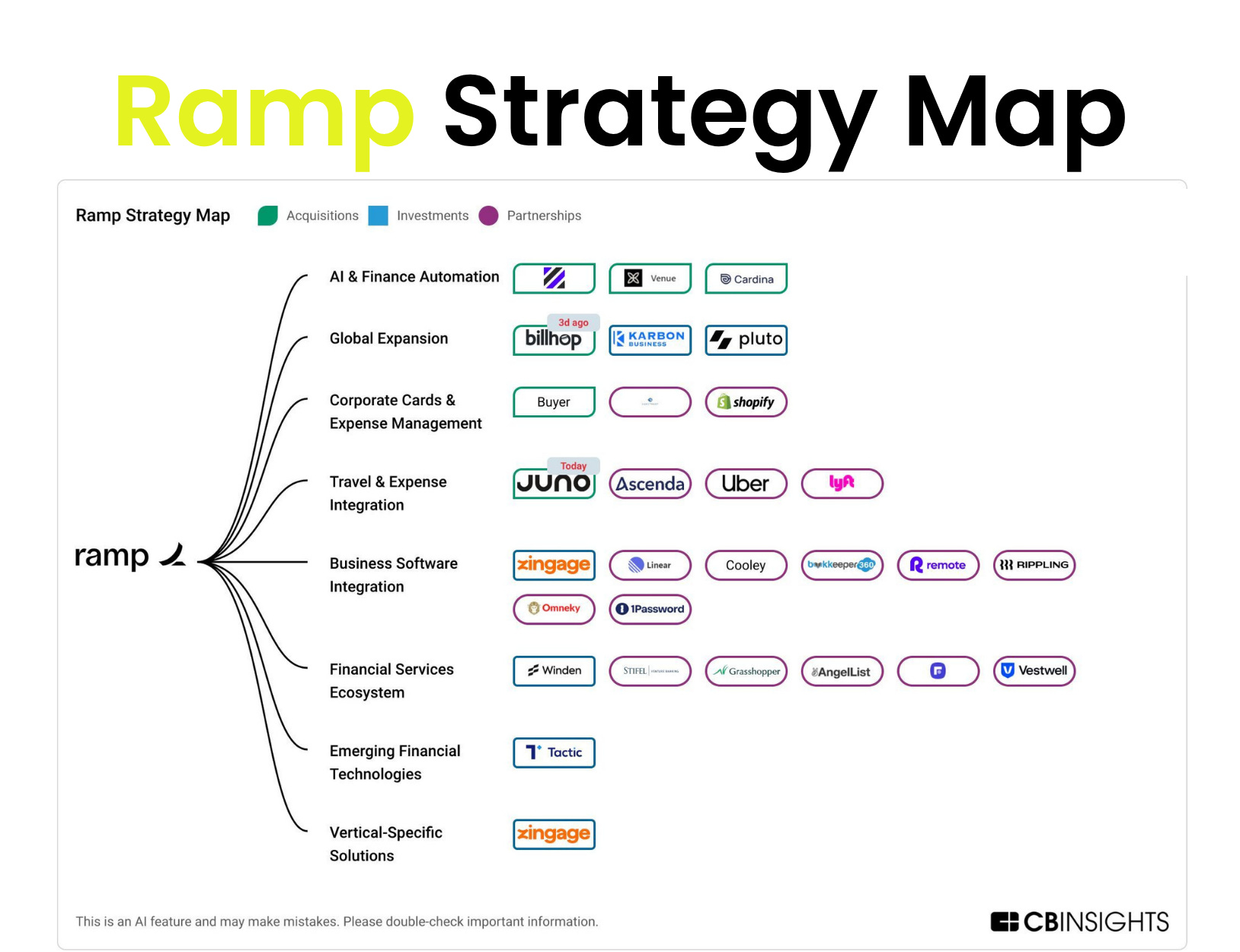
5️⃣What is Ramp actually building?
6️⃣The 3% Problem: How AI Spots Payment Anomalies Before Revenue Slips Away
7️⃣Why Developers Should Care About Stablecoins
How Institutional Tokenization Is Actually Structured Today
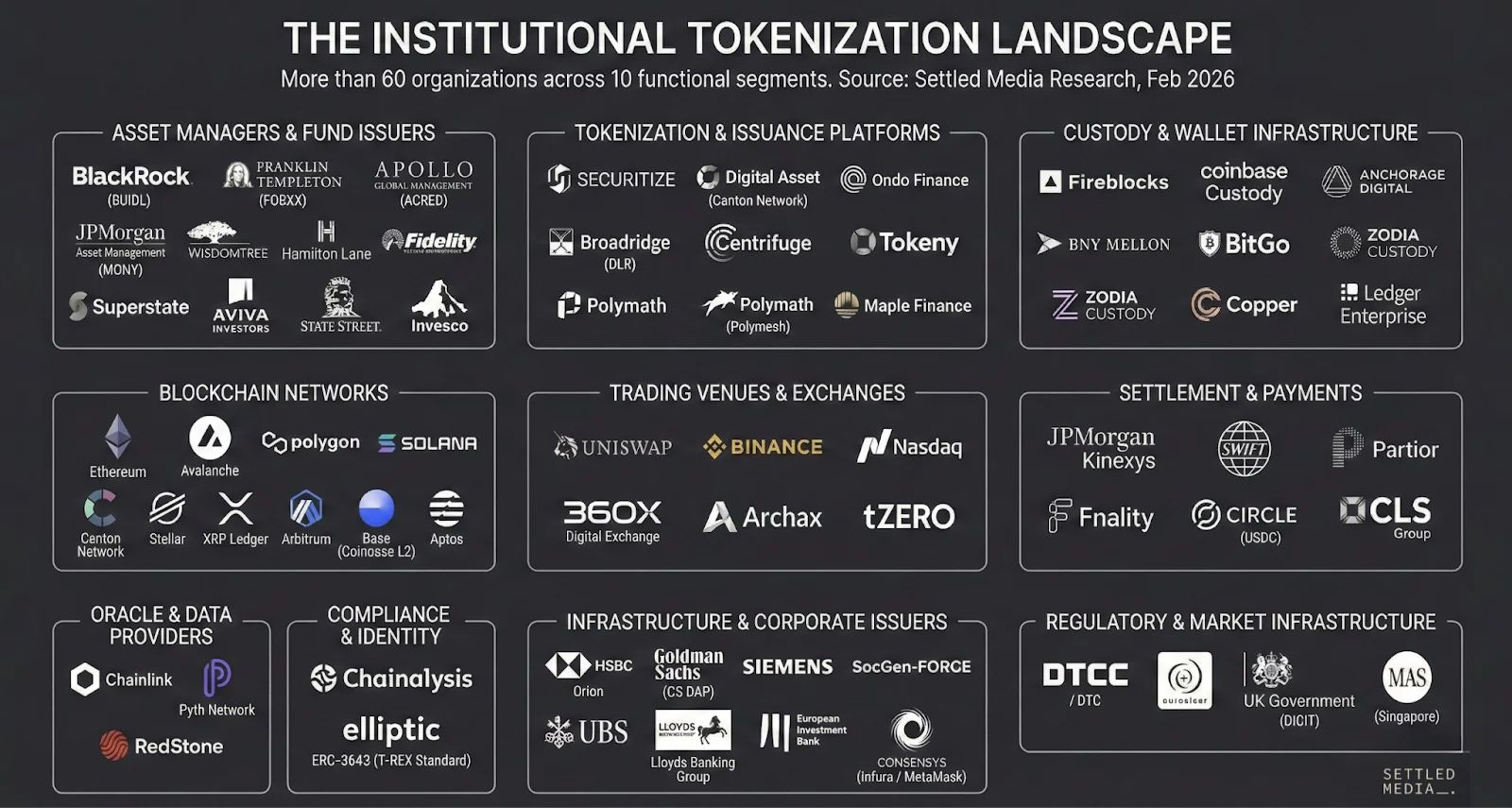
Most people still talk about tokenization as a technology layer. That framing is already outdated.
What this landscape makes clear is that tokenization has become a full institutional stack.
-> You now have asset managers like BlackRock, Franklin Templeton, and Apollo actively issuing tokenized products.
-> You have a dedicated issuance layer with platforms like Securitize, Tokeny, and Centrifuge structuring assets into programmable instruments.
-> You have custody and wallet infrastructure from players like Fireblocks, Coinbase Custody, and BNY Mellon securing those assets.
-> You have trading venues, both crypto-native like Uniswap and Binance, and traditional infrastructure like Nasdaq and Archax, converging into the same market structure.
And then you have settlement layers where this becomes real infrastructure. JPMorgan Kinexys, Circle, SWIFT, CLS, Fnality. It seems like companies a re integrating into the core of financial infrastructure.
___
The key shift is this: