

Video of the Week
Deep Dive of the Week
Why Fintechs and Crypto Companies Want US Bank Charters

I treat “getting a charter” as buying a different physics model for your business. It is not branding. It is permissioning, funding, and durable control over dependencies.
Fintechs pursue charters for three hard reasons: (1) cheaper and stickier funding via insured deposits rather than wholesale lines and securitizations, (2) federal preemption and single-regulator operating posture instead of state-by-state licensing and sponsor-bank fragility, and (3) direct or more durable access to payment rails and network roles that are otherwise rented through partners.
Crypto companies pursue charters, especially national trust bank variants, to sit inside the regulated custody and settlement perimeter: fiduciary custody, qualified custodian posture, reserve management for stablecoins, and in some cases stablecoin issuance under the post-2025 federal stablecoin framework.
The trade is non-negotiable. You exchange speed for sovereignty. You reduce partner risk and unit funding costs, but you accept capital lock-up, BSA/AML burden, examiner-driven operating cadence, affiliate constraints, and higher scrutiny on anything that looks like regulatory arbitrage.

This week’s reports

1️⃣Guide: How to safely issue and bank stablecoins
2️⃣Inside the UK’s New Crypto Regulatory Architecture
3️⃣Is 2026 the most consequential year for US bank regulation in more than a decade?
4️⃣Digital Euro Readiness: How the ECB’s Next Phase Reshapes the Market
5️⃣Benjamin Franklin might be the most underrated DeFi architect in history
6️⃣SME lending is being unbundled
7️⃣Monetary sovereignty in the age of stablecoins
This week’s insights
1️⃣What is a payment gateway?
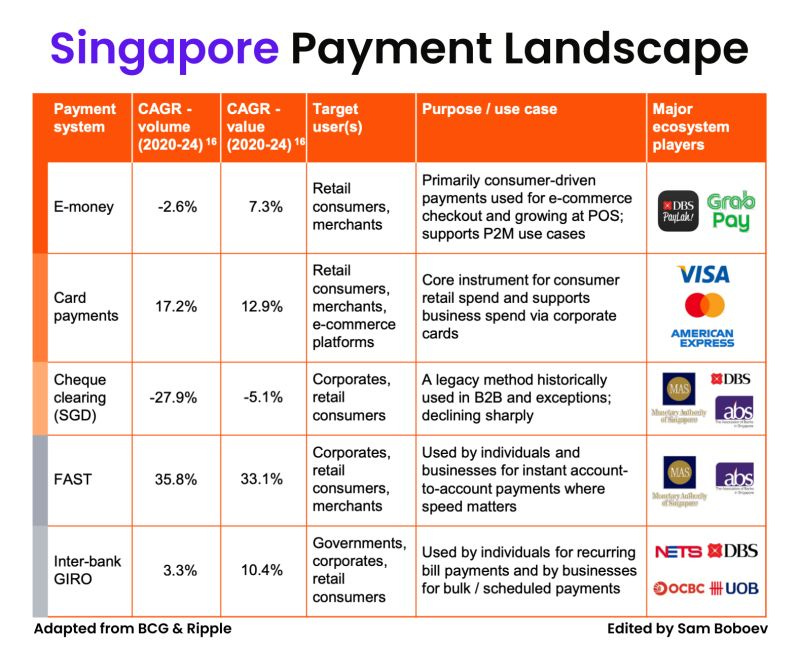
2️⃣Singapore payments landscape
3️⃣EY AI Bank Maturity Assessment Scheme
4️⃣Tokenized Assets – From Payments to Investments
5️⃣PayPal Q4 FY25
6️⃣The Hidden Risk of Agentic Commerce for Merchants
7️⃣Tokenization is the next evolution of finance
What is a payment gateway?
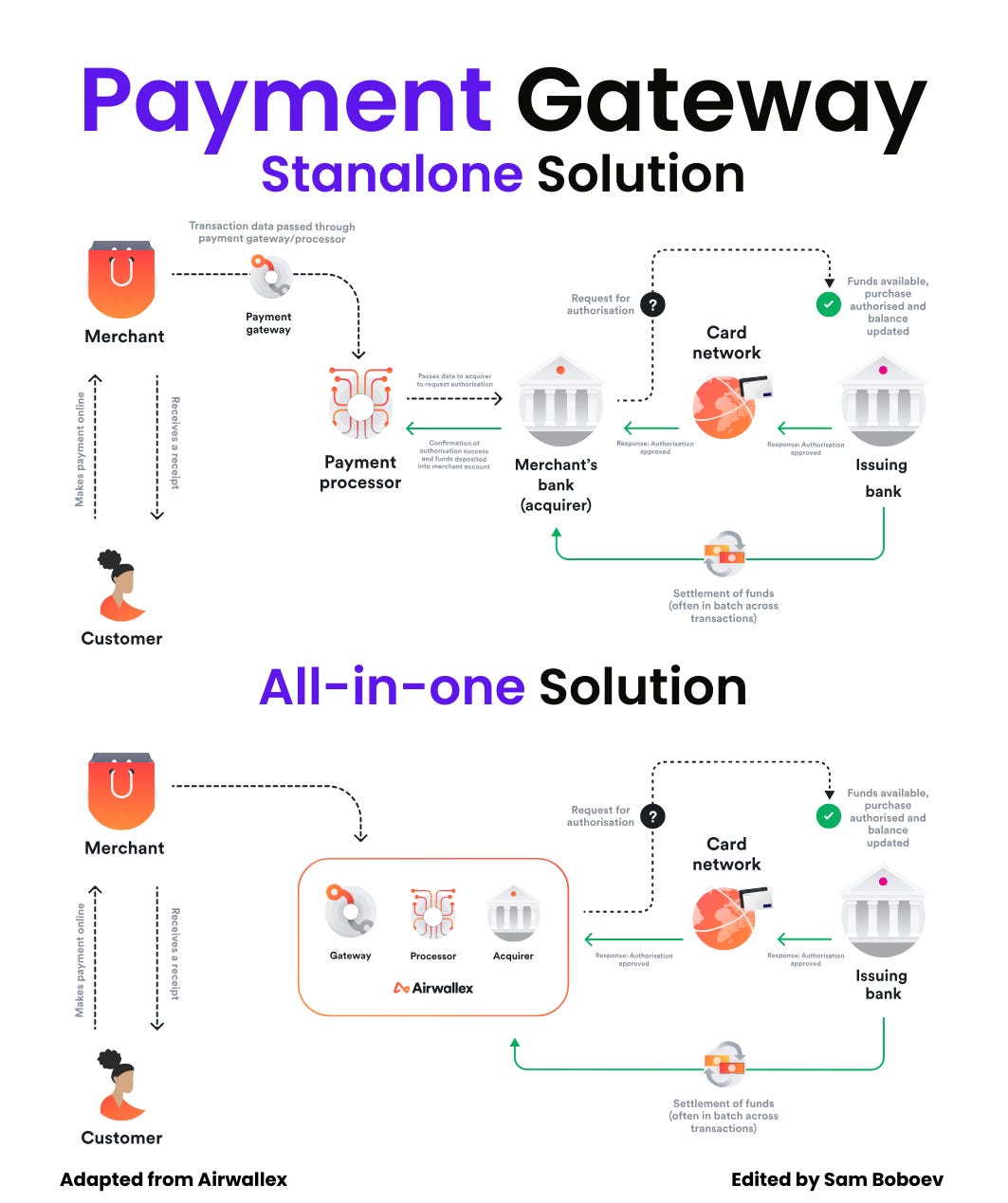
A payment gateway is software that enables businesses to accept and manage payments. It captures customer payment details (card, wallet, etc.), encrypts them, and sends them for processing. While PoS terminals are gateways in-store, the term usually refers to online payments.
Digital payments are growing rapidly, with global transaction value projected to reach $16.62tn by 2028. Gateway choice directly affects conversion, security, and scalability.
____
How it works
- Customer enters payment details at checkout.
- The gateway encrypts the data and sends it to a payment processor (PSP).
- The processor communicates with the card network and issuing bank.
- Approval or decline is returned to the website.
____
Core functions
- Encryption: Secures data in transit (PCI compliance).
- Tokenisation: Replaces card data with secure tokens for storage and reuse.
- Fraud prevention: AVS, CVV, and risk scoring.
- Data insights: Chargebacks, declines, performance metrics.
____
Types of payment gateways