

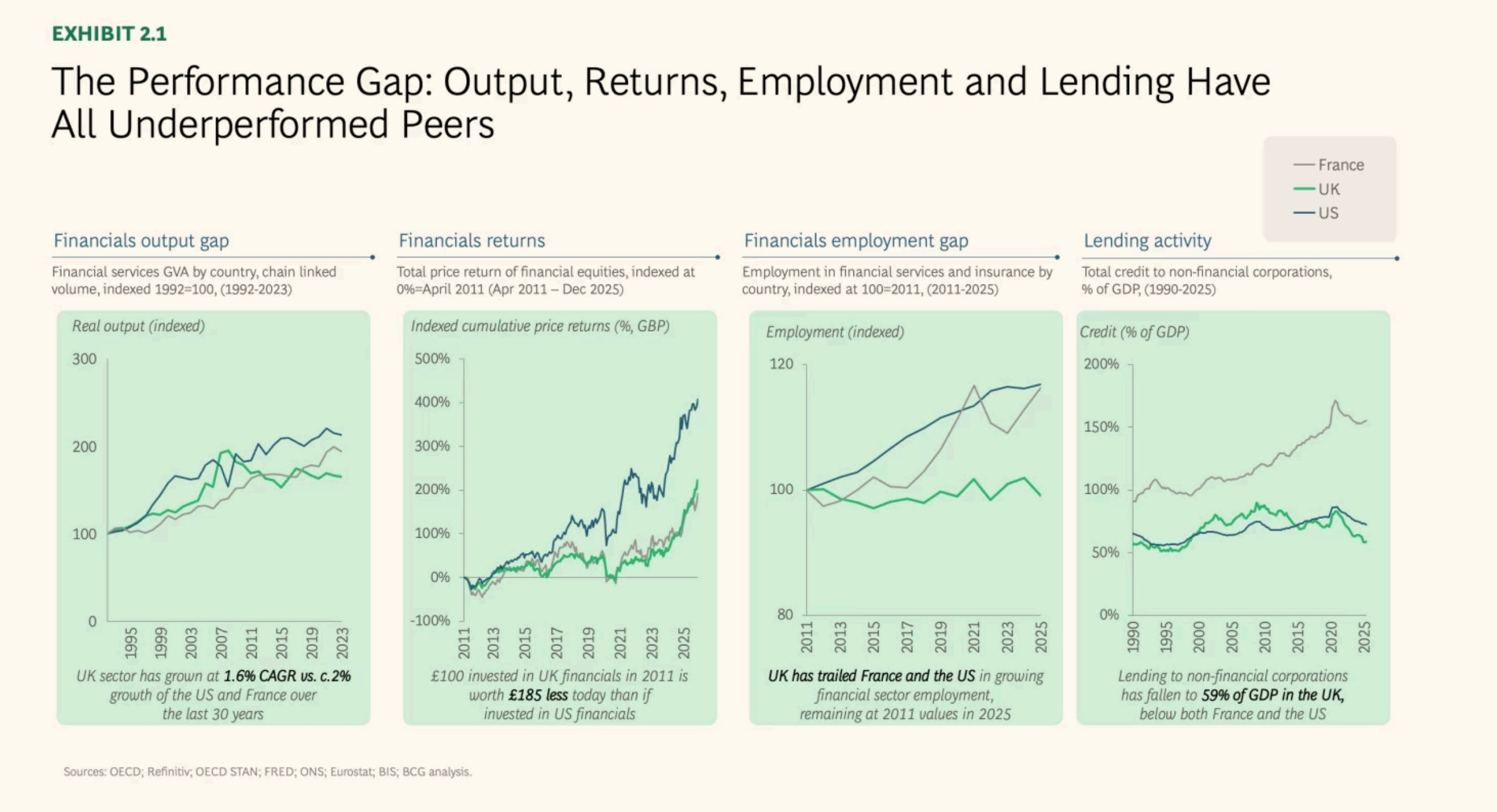
This week’s reports highlight two dominant themes in fintech: the rise of agentic commerce and the continued transformation of financial infrastructure. Multiple reports suggest AI agents are moving from experimentation to deployment, with businesses increasingly exploring autonomous purchasing, agent-managed transactions, and programmable money systems. While forecasts of multi-trillion-dollar markets should be viewed cautiously, the underlying trend is clear: commerce is becoming more autonomous, requiring new frameworks for trust, governance, identity, and payment execution. At the same time, embedded finance continues to mature, with SaaS platforms generating substantial revenue from payments, lending, and banking services, while cross-border payments remain constrained by poor interoperability despite advances in domestic instant payment networks. The reports also emphasize the growing role of AI in financial institutions, where productivity gains, new revenue opportunities, and autonomous financial services are reshaping business models. Regionally, challenges persist—from the UK’s declining competitiveness due to regulatory burden and underinvestment in technology to interoperability gaps across global payment ecosystems. Across all reports, success increasingly depends on scalable infrastructure, strong risk management, real-time payment capabilities, and governance systems that balance innovation with security and compliance.
Video of the Week
Deep Dive of the Week
Adyen’s Agentic a universal translator for agentic commerce

The evolution of digital commerce has arrived at a critical structural pivot. Previous major channel transitions, such as the shifts to mobile interfaces, social commerce, and multi-tenant marketplaces, redefined front-end customer experiences but left the underlying transactional architecture largely intact. In those conventional models, browsing sessions remained stateless, inventory validation was deferred until checkout, and risk engines examined single, synchronous authorization actions initiated by human telemetry. Agentic commerce represents a fundamental inversion of this legacy paradigm: software agents act autonomously on behalf of users, sessions become highly stateful and persist over days or weeks, and identity, trust, and payment authorization must be managed over highly fragmented, asynchronous networks.
The primary bottleneck stalling this transition is not Large Language Model capability, but the lack of scalable transaction infrastructure. Modern enterprise systems face severe operational bottlenecks: protocol fragmentation, obsolete product data structures, rigid legacy checkout stacks, the trust paradox of distinguishing legitimate agents from malicious automation, and the high engineering overhead of bespoke onboarding. McKinsey and Bain project that the global agentic commerce market will reach between 3 trillion and 5 trillion dollars by 2030, highlighting the massive scale of the economic opportunity. Accenture estimates that by 2030, over 30% of online commerce will run through AI agents, representing close to 3.1 trillion dollars in transactions. To prevent a fragmented ecosystem of closed gardens, Adyen launched Adyen Agentic on June 16, 2026. Acting as an open abstraction layer, this product operates as a universal translator, enabling merchants to integrate once and transact across multiple conversational AI platforms without rewriting core commerce databases.

This week’s reports
1️⃣Navigating the Agentic Commerce Era On Your Terms
2️⃣The B2B Embedded Finance Landscape
3️⃣The Thunes Cross-Border Payments Interoperability Index
4️⃣The UK Financial Services Sector Has Lost Its Edge—Here’s How to Win It Back
5️⃣Agentic Commerce: Market Insights & Outlook
6️⃣Time to Shift Gears?
7️⃣Unlocking Agentic Money Movement
Navigating the Agentic Commerce Era On Your Terms
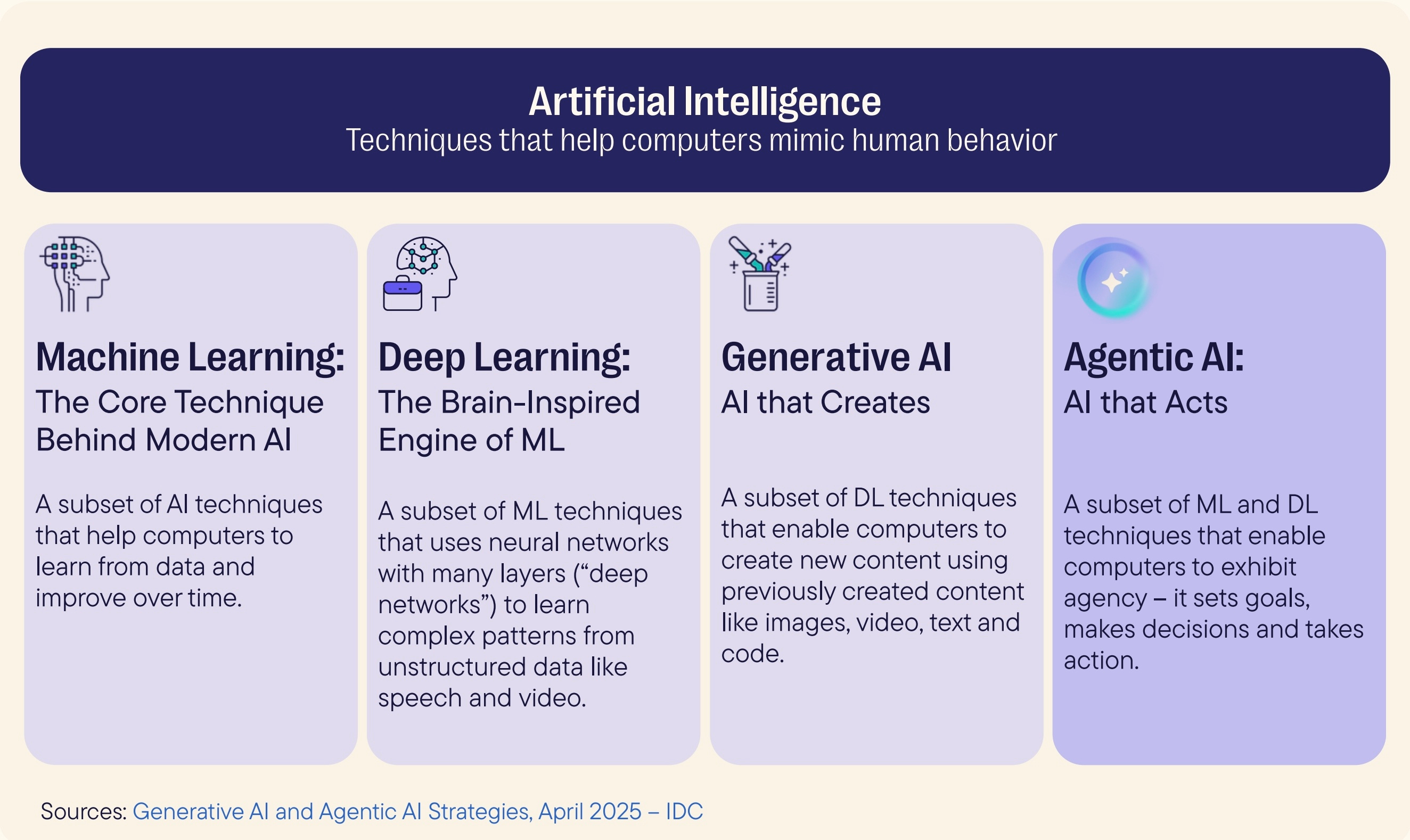
This white paper effectively balances forward-looking tech evangelism with practical software architecture guidelines. It serves as a credible roadmap for transitioning from traditional e-commerce to AI-driven agentic transactions.
1. Data & Market Claims
The report relies on a mix of verified industry data and highly speculative long-term economic forecasting.
Verified Predictions: The claim of a 25% drop in traditional search engine volume aligns directly with official Gartner projections predicting a shift toward conversational interfaces.
The “Look Closer” Metrics: The 805% YoY increase in AI-driven retail traffic reflects a low-baseline statistical bias—early traffic was virtually zero, making any growth look explosive. Furthermore, Morgan Stanley’s $115 billion market addition by 2030 is a directional economic model, not a guaranteed reality.
2. Technical Frameworks & Protocols
The technical foundation laid out in Navigating the Agentic Commerce Era On Your Terms is highly authentic and architecturally sound.
Real Engineering Standards: The paper references MCP (Model Context Protocol), ACP, and UCP. MCP is a legitimate open framework (championed by Anthropic) designed to secure context exchange between LLMs and external data layers.
Grounded Realism: The document remains trustworthy by admitting that 49% of enterprise workflows still rely on manual spreadsheets. It accurately acknowledges that while brands have high AI ambitions, their data foundations remain messy.