

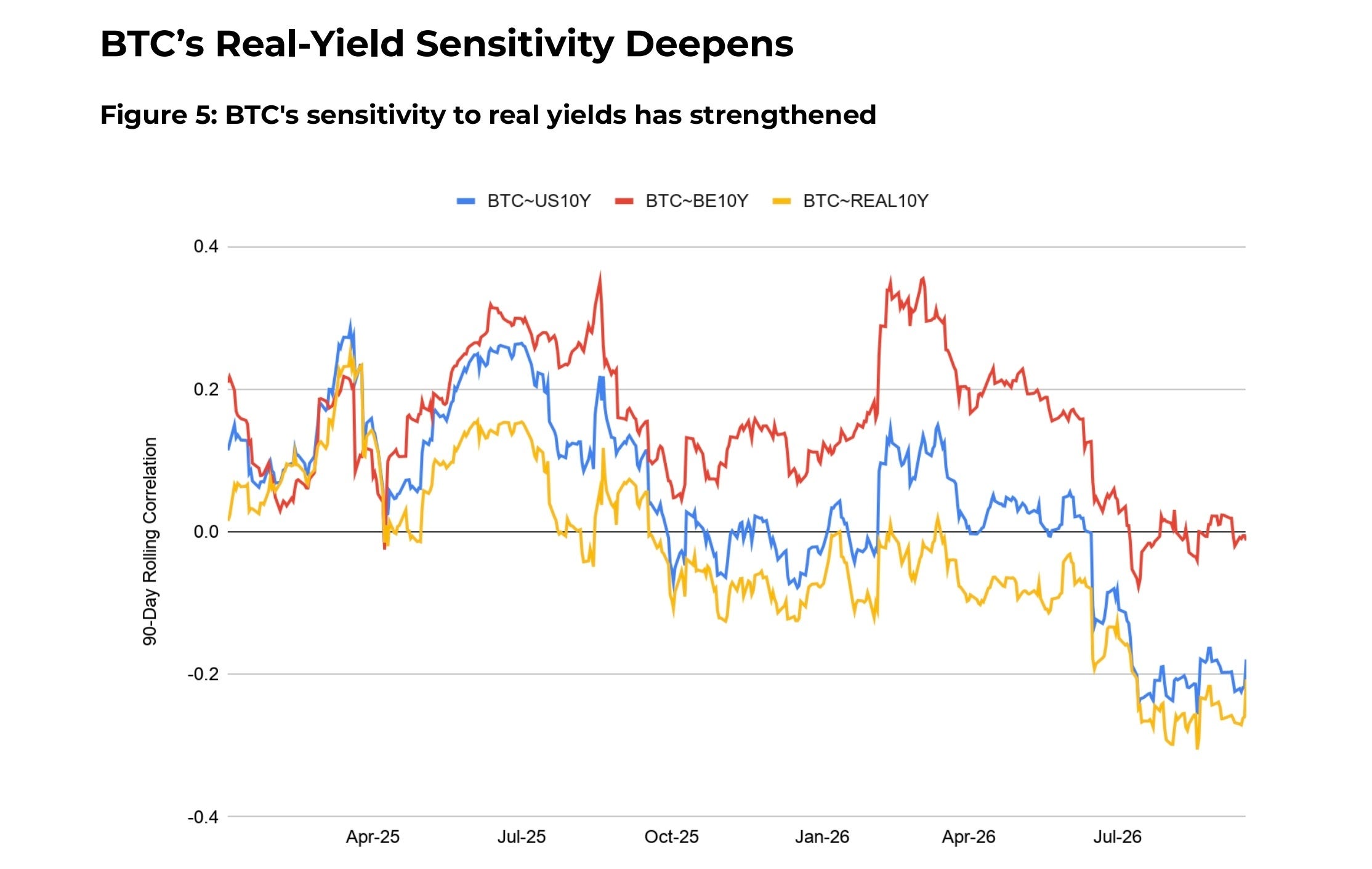
This week’s fintech developments highlight the growing convergence of digital assets, traditional finance, and AI. Quantum computing presents a future threat to cryptocurrency wallet security, while institutional adoption remains constrained by limited banking integration and collateral financing options. Meanwhile, crypto adoption is gaining momentum among non-holders, particularly underserved communities, with trusted financial institutions playing a key role in building confidence. Financial institutions are also prioritizing payment intelligence, fraud detection, interoperability, and secure open finance infrastructure. Regulatory clarity across major markets is accelerating institutional blockchain adoption, tokenization, and the convergence of DeFi and traditional finance. At the same time, agentic commerce is creating new opportunities for AI-powered payments, as Stripe introduces balances that allow autonomous agents to make purchases within predefined budgets. Crypto markets also showed resilience in September, with total market capitalization rising 11% to $2.99 trillion.
Video of the Week
Deep Dive of the Week
How Stripe’s Link gives AI agents money they can spend

Giving an AI agent a task is straightforward. Giving it permission to spend your money is harder. The agent needs a budget, a way to pay, and clear limits on what it can buy.
This week Stripe launched Link Balance, a new product that gives autonomous AI agents balances.
The user decides how much authority to delegate before the agent starts buying. That could make instructions such as “buy this item if the price falls below $90” useful beyond sending a price alert. The agent could complete the purchase within an agreed budget.
For payments companies, this raises a question that goes beyond checkout conversion: who will manage the money and permissions behind automated purchasing?

This week’s reports
1️⃣Quantum Computing and Cryptocurrencies
2️⃣Digital Collateral: a practical reality
3️⃣2026 Crypto Readiness Report: U.S. Non-Crypto Holders
4️⃣The Payments Intelligence Gap
5️⃣Open Finance Infrastructure
6️⃣Regulatory clarity for digital assets
7️⃣Monthly Market Insights – October 2026
Quantum Computing and Cryptocurrencies
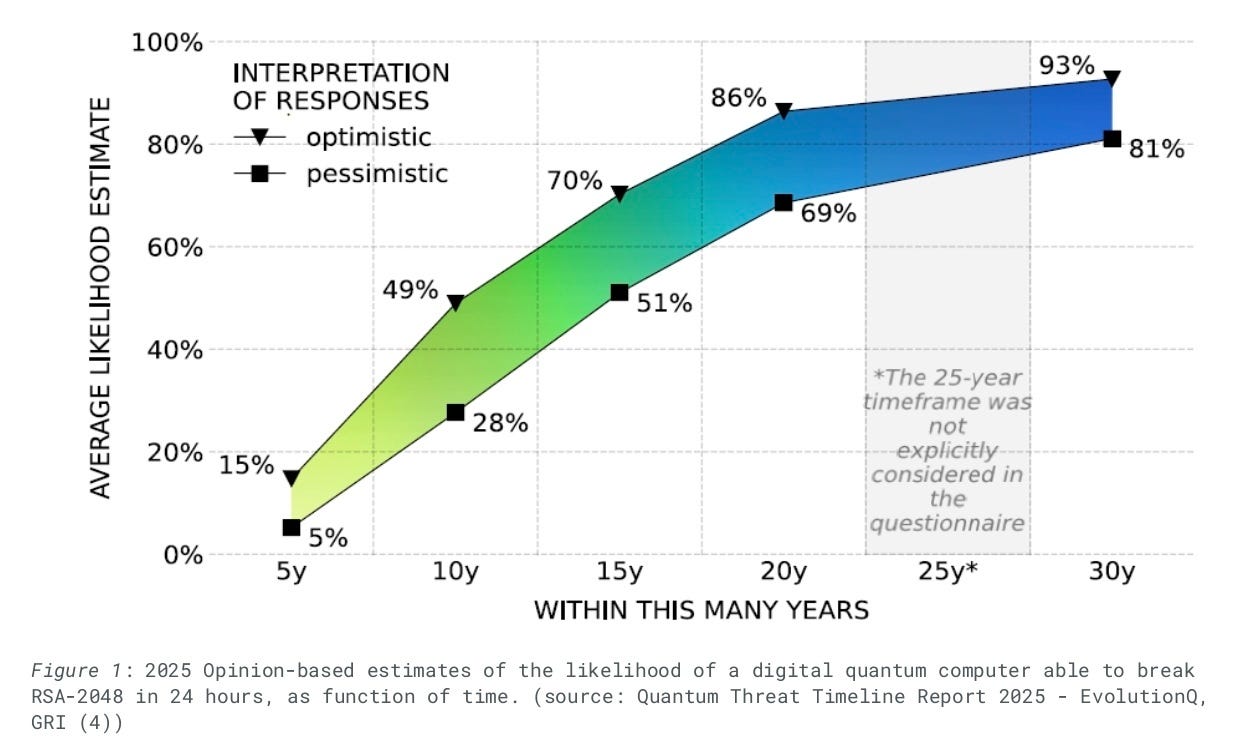
Cryptocurrencies have rapidly evolved from a niche technological experiment to a globally recognised asset class and a platform for decentralised applications. This ascent has been accompanied by increasing scrutiny, not only from financial regulators and traditional institutions, but also from a growing chorus of commentators highlighting potential vulnerabilities. Among these concerns, the threat posed by the development of quantum computing has gained significant traction, frequently appearing in headlines and fuelling narratives of impending obsolescence for digital currencies. While quantum technologies promise transformative advancements across diverse sectors – from accelerating drug discovery and materials science to revolutionising financial modelling – they also introduce a fundamental challenge to the cryptographic foundations upon which modern digital security, and cryptocurrencies specifically, are built.
The core of this concern lies in the potential for quantum computers to break widely used public-key encryption algorithms. These algorithms, such as Rivest-Shamir-Adleman (RSA) and elliptic curve cryptography (ECC), underpin the security of countless digital transactions, communications and data storage systems. However, the advent of sufficiently powerful quantum computers, leveraging algorithms like Shors, could render these algorithms ineffective, potentially exposing sensitive data and undermining trust in digital infrastructure. This has led to widespread speculation about the future of cryptocurrencies, with some predicting their complete collapse in the face of quantum attacks.
However, such a conclusion is overly simplistic. Cryptocurrencies are not solely reliant on public-key cryptography. They also employ symmetric cryptography and, crucially, cryptographic hash functions, which exhibit a different security profile. While public-key schemes are vulnerable to quantum algorithms, hash functions, used extensively in blockchain integrity mechanisms such as proof-of-work and proof-of-stake, are considered more resilient, although not entirely immune, to quantum attacks. Therefore, the threat is not necessarily the complete eradication of cryptocurrencies, but rather a targeted vulnerability in the ownership and control of digital assets - specifically, the security of cryptocurrency wallets.