

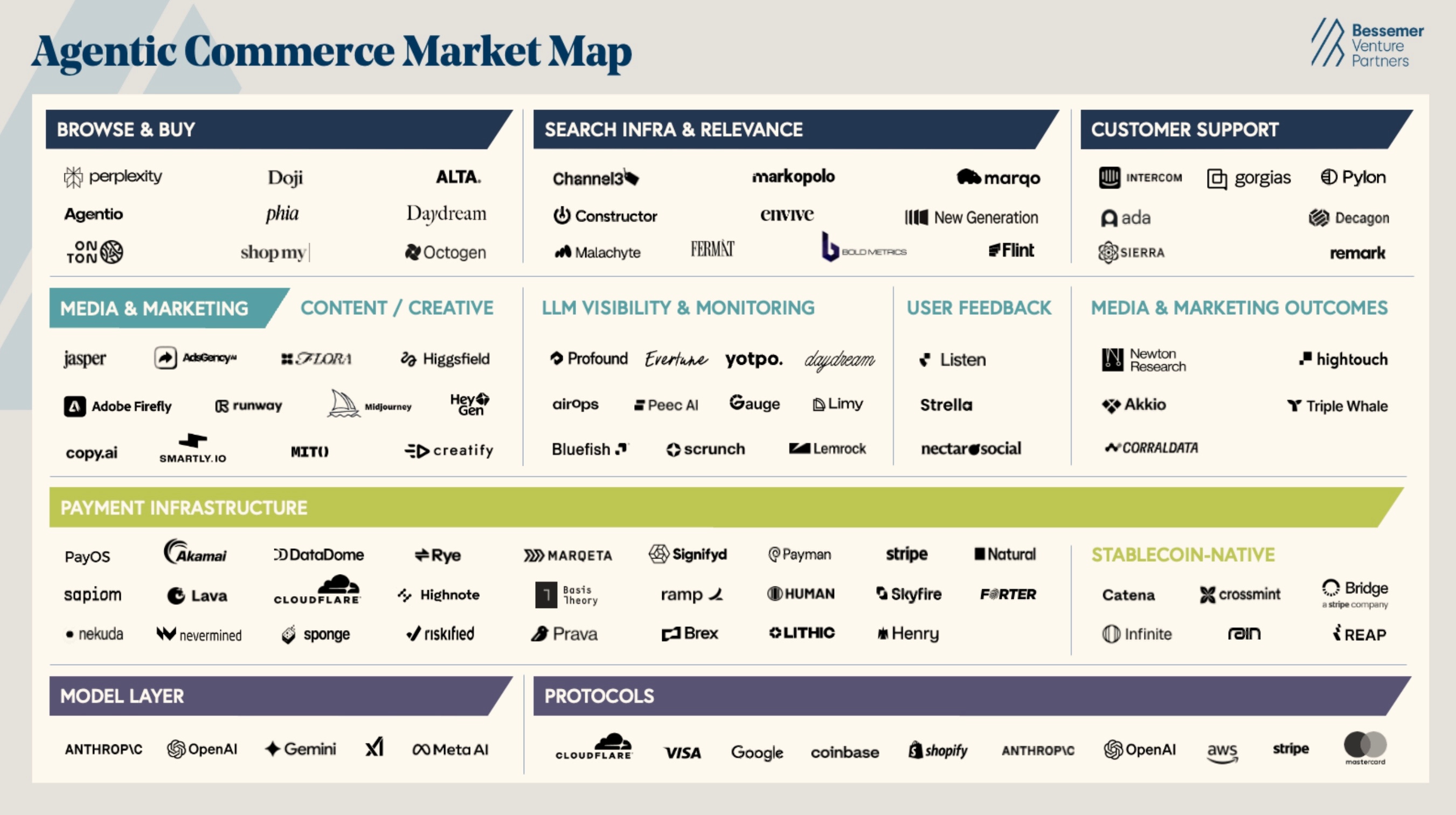
This week’s reports explore how AI, blockchain, and evolving financial infrastructure are reshaping commerce and banking. A major theme is the rise of agentic commerce, with multiple reports highlighting the need for stronger identity standards, liability frameworks, interoperable payment rails, and programmable credentials before AI agents can transact at scale. Other reports examine how AI-first banks are driving growth through personalized services and automation, why blockchain is emerging as the foundation for machine-native payments and digital identity, and how treasury functions are adapting to AI, regulatory complexity, stablecoins, and multi-rail payments. The roundup also covers the Bank of England’s finalized systemic stablecoin regime and a framework for fostering competition in digital financial services through better regulation and market infrastructure.
Video of the Week
Deep Dive of the Week
A Definitive Strategic Guide to MiCA Compliance and Institutional Market Architecture

The transitional grandfathering window under Article 143(3) of the Markets in Crypto-Assets Regulation (MiCA) has officially expired across all 27 European Union (EU) and 30 European Economic Area (EEA) member states. This milestone marks the definitive end of the highly fragmented national Virtual Asset Service Provider (VASP) registries and establishes a single, harmonized authorization framework for Crypto-Asset Service Providers (CASPs). For fintech founders, payments strategists, and venture capitalists, this shift represents a hard boundary: any entity providing crypto-asset services to EU clients without full MiCA authorization is now operating in direct breach of EU law.

This week’s reports
1️⃣How Acquirers Prepare for Agentic Commerce
2️⃣How AI-First Banks Are Rewriting the Rules of Retail Banking
3️⃣The Convergence of AI and Blockchain
4️⃣Agentic commerce: The rise of the delegated buyer
5️⃣UK: BoE finalises systemic stablecoin regime
6️⃣Treasury 2.0: Built for a new era
7️⃣Competition in Digital Financial Services
How Acquirers Prepare for Agentic Commerce
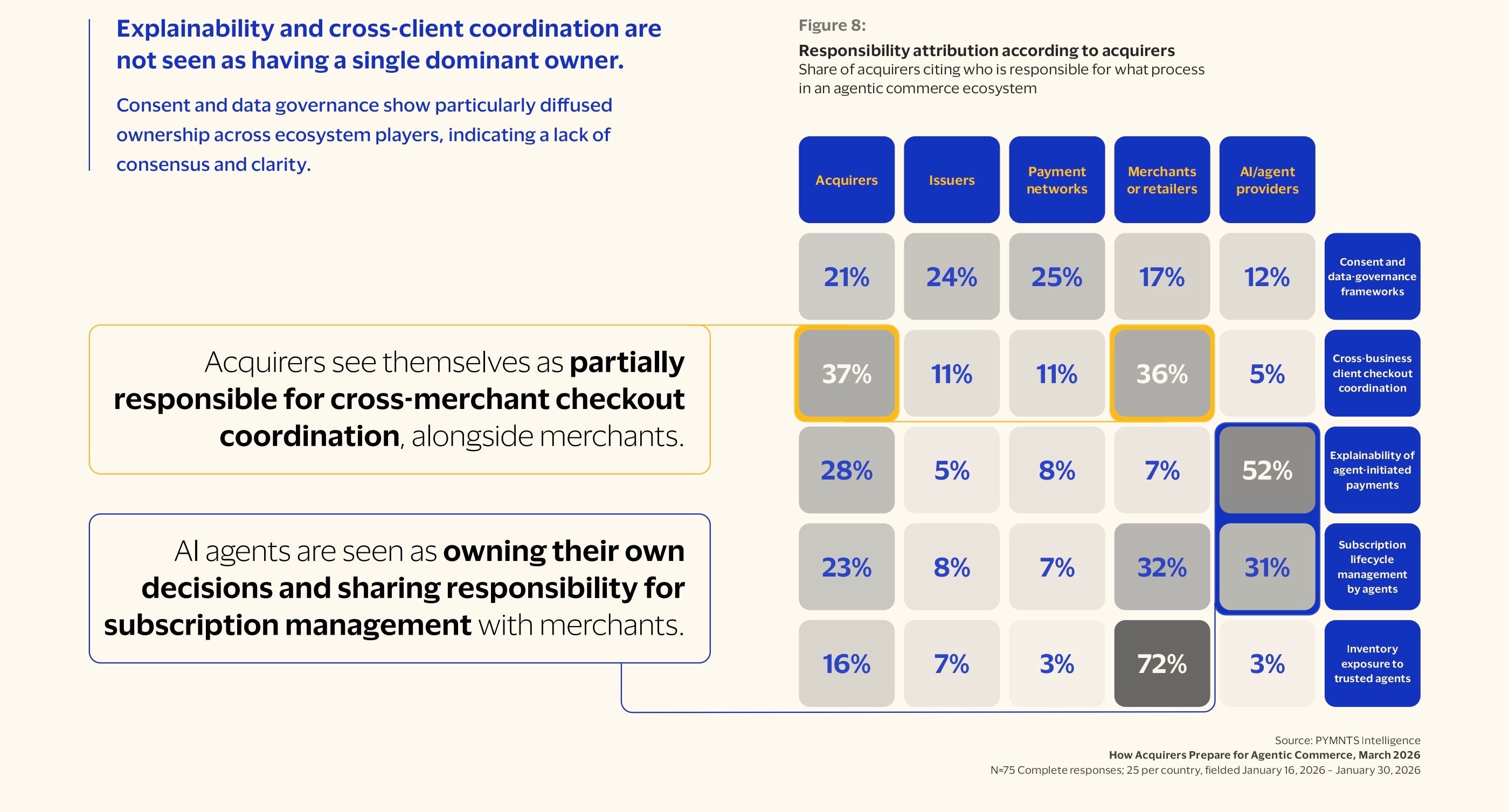
56% say the #1 barrier to scaling agentic commerce is redesigning liability frameworks
43% say identity and credential-binding standards must be established before scaling
23% plan to proactively accelerate agentic commerce in the next 3 years
🔹 What do Acquirers need to do?
Identity rules create trust
As transactions shift from human to AI initiated, identity must evolve for agents to operate safely and securely on behalf of consumers. Acquirers say they need clearer standards for binding identity, credentials, and intent, which helps ensure every agent led transaction is authenticated, authorized, and transparent.
Interoperability is top of mind
Agentic commerce introduces new expectations for how acquirers, merchants, networks, issuers, and AI platforms coordinate. To navigate these challenges, acquirers are prioritizing interoperability and shared standards so merchants don’t face fragmented experiences across channels or platforms.