


European companies with 50 to 249 employees may be losing around €7 billion a year through avoidable SaaS pricing gaps. Duplicate tools could add another €2 billion.
Spendesk’s analysis of 12 months of transaction data across 2,500 European companies shows how quickly software spend becomes hard to manage.
The AI data is the clearest example.
More than two-thirds of companies that pay for AI use at least two competing products. AI spend grew 340% over the year, even though the number of companies buying AI changed very little.
That suggests the cost is rising inside companies that have already adopted AI. Teams are using more models, licences and usage-based products. Each purchase may look small on its own, but together they create a finance problem.
Traditional SaaS budgets were built around predictable monthly or annual fees. AI spend changes with usage. A product can be cheap at rollout and expensive once it becomes part of everyday work.
Finance teams need a clear view of who owns each tool, whether it is being used, and where similar products overlap. Procurement also needs to be involved earlier, before new subscriptions become embedded across teams.
The AI conversation inside companies is moving from experimentation to cost discipline.
This week’s Fintech Wrap Up highlights how digital finance is becoming more automated, connected, and AI-driven: payment optimisation and e-invoicing are improving efficiency, bank-account data is strengthening fraud and risk detection, while AI is simultaneously accelerating fraud and cybersecurity threats. At the same time, blockchain and tokenised finance are increasingly focused on interoperability between fragmented networks, while businesses continue expanding AI adoption despite cost constraints and uncertain workforce impacts.
Video of the Week
Deep Dive of the Week
How Stripe’s Product Stack Changed In The Past 5 Years

If you run a software enterprise building generative AI applications today, your CFO spends far more time tracking GPU inference bills than traditional server expenses. Every user prompt hits upstream model providers, consumes tokens, and generates variable infrastructure costs. Meanwhile, your product team balances prepaid credits, usage thresholds, and multi-jurisdictional tax compliance across dozens of countries.
Back in 2021, solving this problem required connecting separate vendors for card processing, meter tracking, tax engines, and API routing. Today, this operational and financial workflow sits within Stripe’s expanded product stack.

This week’s reports
1️⃣Closing the retail payments optimisation gap
2️⃣How Europe’s E-Invoicing Mandates Rewire B2B Payments
3️⃣The Bank Account Footprint
4️⃣State of Fraud Report 2026
5️⃣The Connective Tissue of Digital Finance
6️⃣The state of AI in 2026
7️⃣Frontier AI: A New Era of Cyber Resilience
Closing the retail payments optimisation gap
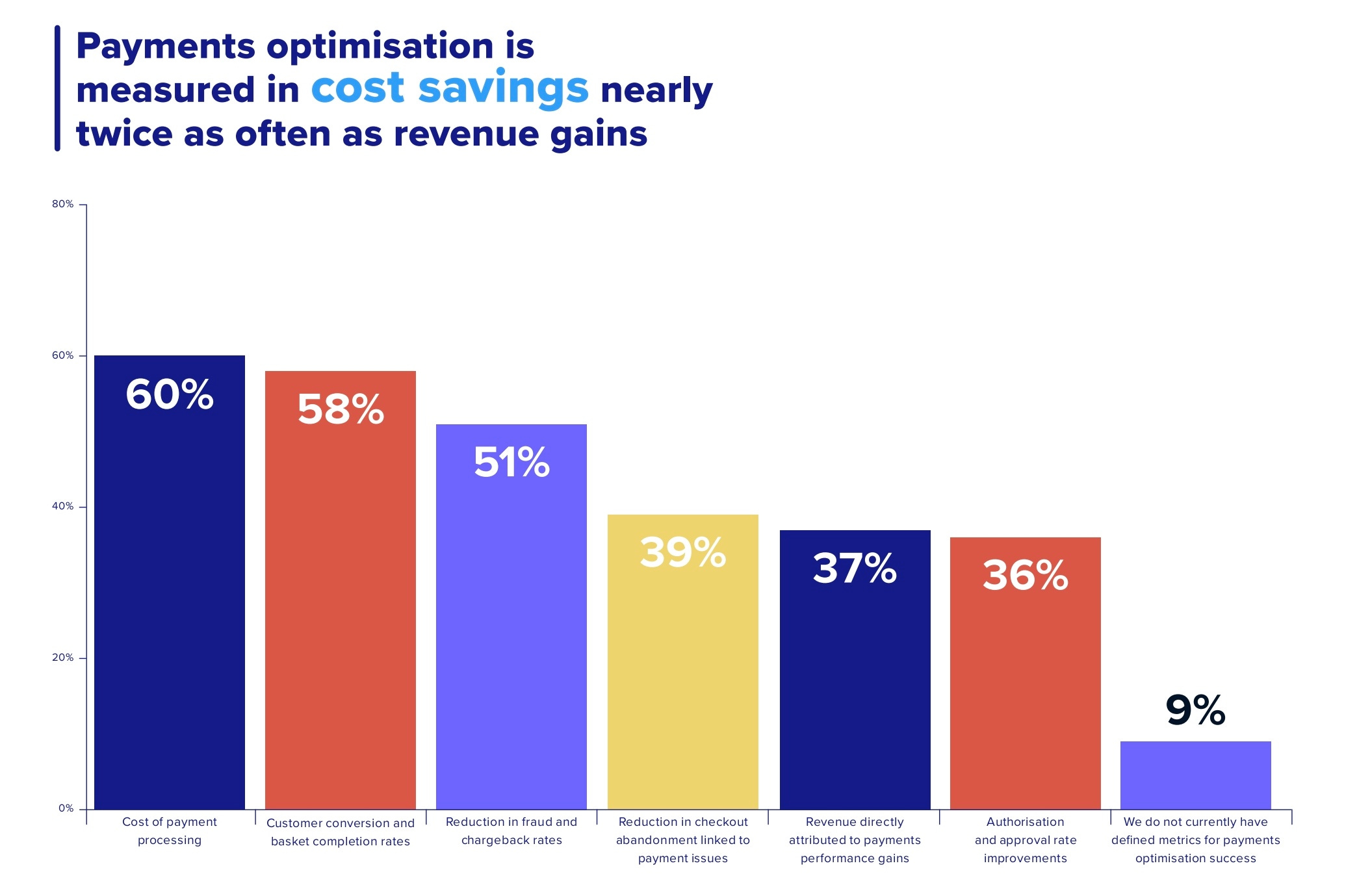
Payments optimisation is becoming a vital part of modern retail. As retailers work across providers, gateways and processors, failed payments, fraudulent transactions and transaction friction can quickly eat into retailers’ profits if left unchecked, creating revenue leakage that is often difficult to identify and recover.
Key findings:
1. Retailers are more likely to measure optimisation through cost reduction than direct revenue impact
60 percent of respondents measure the success of payments optimisation through payment processing costs, while 37 percent measure revenue directly attributed to payments performance gains. This suggests that cost-related outcomes remain more widely tracked than direct revenue contribution.
2. Payments optimisation is recognised as important, but not always prioritised
70 percent of organisations treat optimisation as a topic of standalone importance, with a quarter assigning it board-level visibility. However, fewer than half describe it as either a top-tier strategic priority or a major operational focus.
3. Resource constraints are limiting further improvement