

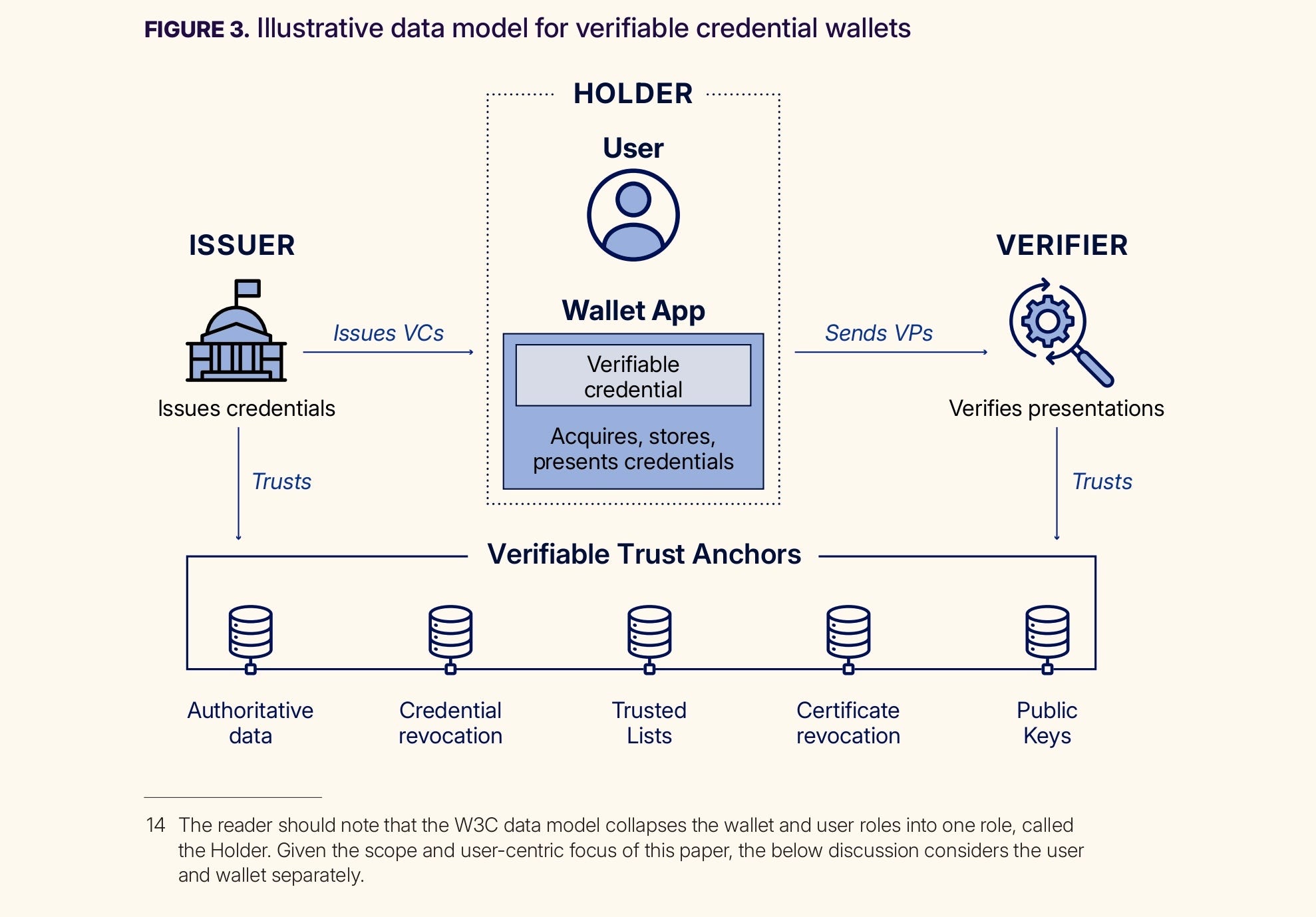
The latest reports highlight how digital financial infrastructure is evolving across payments, identity, and blockchain technology. The World Bank’s Digital Wallets: A New Paradigm positions digital wallets as foundational infrastructure for securely storing verifiable credentials while enhancing privacy through selective disclosure. Meanwhile, Public Blockchains and Regulated Financial Institutions from Kinexys by J.P. Morgan and the MIT Digital Currency Initiative examines the key regulatory and technical barriers preventing banks from fully adopting public blockchains, emphasizing that long-term solutions will require collaboration between financial institutions, protocol developers, and regulators. Complementing these trends, Australia’s The Vision for Account-to-Account Payments outlines a national framework for building a secure, interoperable, and inclusive A2A payments ecosystem, with expanded infrastructure access and rich ISO 20022 payment data serving as key enablers of future innovation.
Video of the Week
Deep Dive of the Week
How to Add Data Intelligence to a Multi-PSP Payment Stack

For the past decade, the global e-commerce and fintech sectors have operated under a singular directive: maximize payment optionality. Merchants have been instructed to expand their payment stacks by integrating multiple Payment Service Providers (PSPs), deploying redundant local acquirers, supporting diverse regional payment methods, and configuring dynamic routing paths. On the surface, this architecture of optionality has delivered significant operational value. It provides structural resilience against single-point-of-failure gateway downtime, secures broader geographic coverage across emerging markets, and optimizes baseline transaction approval rates.
However, this diversified payment stack introduces a major operational challenge: the fragmentation of transactional data. When an enterprise expands its processor footprint, it inevitably decentralizes its reporting architecture. Each integrated provider operates within its own closed ecosystem, generating isolated telemetry data characterized by proprietary APIs, unique database schemas, non-standardized decline reason codes, and distinct monthly settlement formats. Attempting to consolidate these disparate data streams into a single source of truth requires significant data engineering effort and often obscures clear data lineage and transformation logic.
This is the multi-PSP paradox: while adding payment gateways increases processing flexibility, it simultaneously degrades transaction visibility. In a multi-PSP environment, payment, finance, risk, and data teams must spend significant time and capital trying to reconcile inconsistent reporting formats manually. Without a unified mechanism to harmonize these data streams, merchants struggle to identify systemic processing errors, leaving them exposed to hidden margin erosion, elevated transaction costs, and transaction routing inefficiencies.

This week’s reports
1️⃣The AI Playbook for Financial Services
2️⃣The State Of Payment Tokenization
3️⃣Q1 2026 Quarterly FinTech Insights
4️⃣Public Blockchains and Regulated Financial Institutions
5️⃣The vision for account-to-account payments in Australia
6️⃣Digital Wallets: A New Paradigm
7️⃣Crypto Regime
The AI Playbook for Financial Services
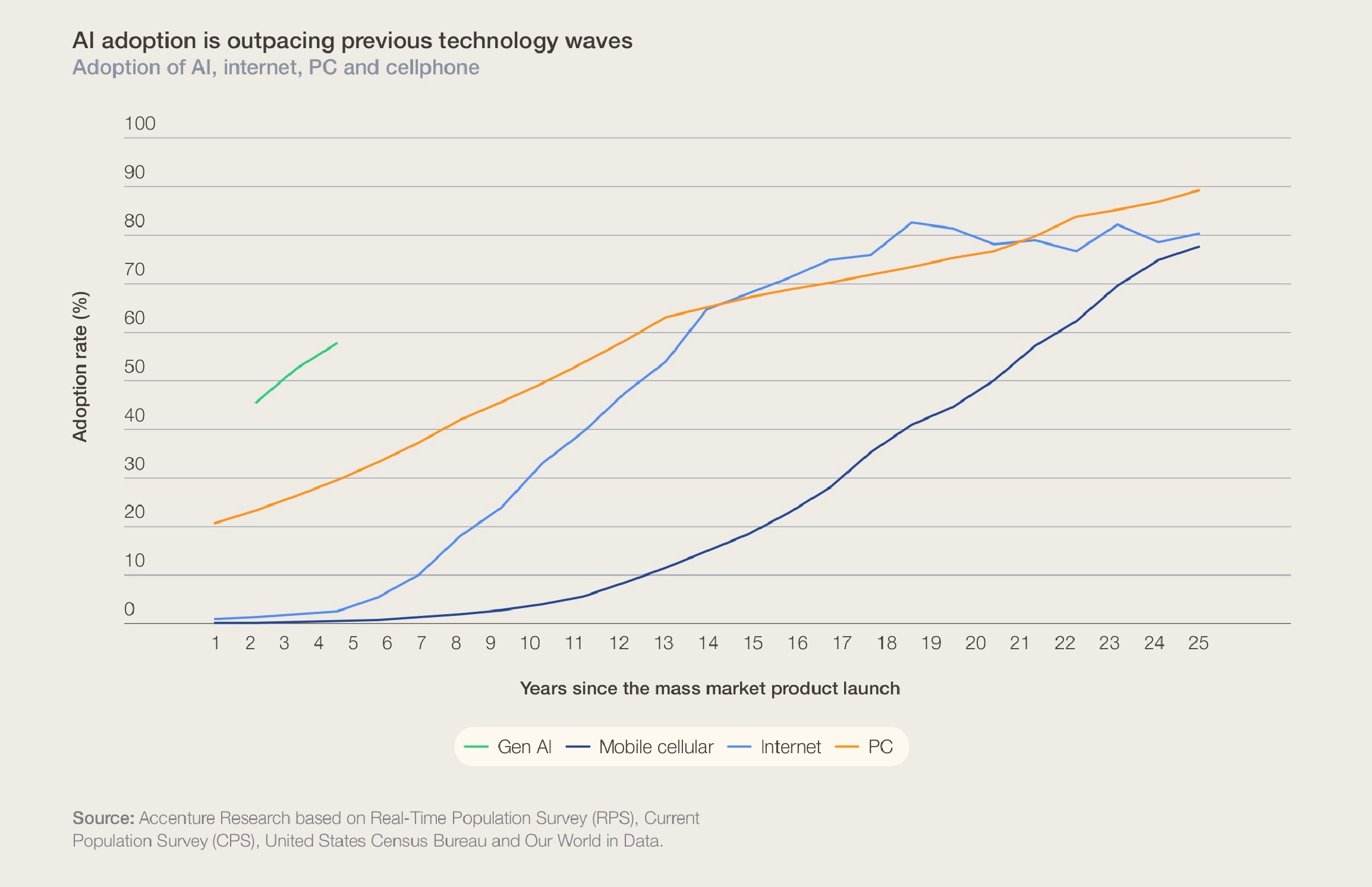
I have a question for fintechs and financial institutions: what is your AI strategy?
AI represents a structural disruption, and its impact on financial services goes far beyond efficiency gains. It is reshaping how work is organized, how decisions are made, how value is created and how institutions compete and collaborate.
As the industry moves from experimentation to scaled deployment, the central challenge for organizations is fully integrating AI quickly and securely. The decisions involved, from data management to governance structures, are numerous and varied. This report aims to help financial services firms across all geographies and sectors work through the complexity.
The report’s key findings are as follows:
AI must be a strategic leadership issue.
The priority has shifted from running pilots to embedding AI across the enterprise, quickly, responsibly and in ways that deliver lasting value. Leaders must define where to focus, what to automate and where human judgement remains essential, and how to weave AI into day-to-day operations to deliver better outcomes for customers.
Differentiation will increasingly come from customer relationships amplified by AI.
With analytical and generative capabilities now widely accessible, organizations that use AI to intentionally strengthen customer relationships will be better positioned to deliver superior experiences, deepen retention and drive growth. Central to this is ensuring customers trust how the technology is being used.
The biggest benefits will come from redesigning holistically.