

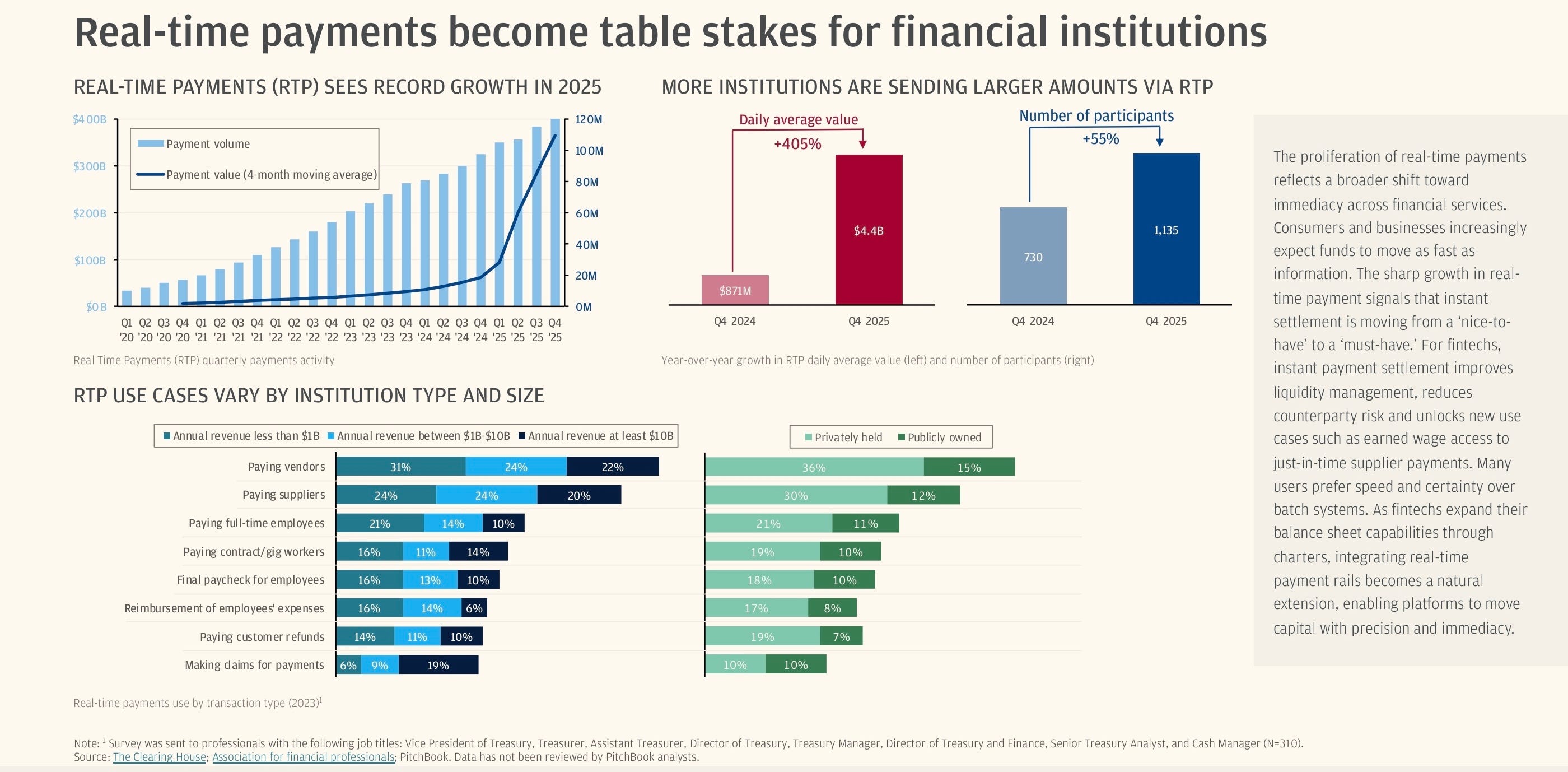
This week’s reports highlight the rapid institutional adoption of blockchain-enabled finance, with stablecoins, tokenized deposits, and real-world asset tokenization emerging as key drivers of modern payment and banking infrastructure. Major initiatives such as Open USD, Project Agorá, and tokenized banking networks demonstrate how programmable, blockchain-based settlement can improve cross-border payments, operational efficiency, and financial inclusion. The reports also emphasize that regulatory clarity, effective governance, data quality, and trust are becoming as important as technological innovation. Beyond digital assets, insights from Africa’s instant payment systems, European banks’ regulatory reporting, and J.P. Morgan’s fintech outlook show that the future of financial services will be shaped by scalable payment infrastructure, automation, AI, and embedded finance, with stablecoins and tokenization playing an increasingly central role in the global financial ecosystem.
Video of the Week
Deep Dive of the Week
Open USD vs Tether and Circle, and Bank Tokenized Deposits

The global payments landscape is undergoing a structural transition as on-chain fiat instruments move from speculative retail instruments to institutional settlement rails. This shift is marked by two major infrastructure initiatives: the June 30, 2026, announcement of Open USD, denoted as OUSD, a shared stablecoin network backed by a consortium of over 140 corporate signatories, and the planned launch in the first half of 2027 of a tokenized deposit network operated by The Clearing House, which is co-owned by the largest commercial banks in the United States.
Led by Open Standard, an independent company, OUSD presents a collaborative, partner-governed model that directly challenges the traditional single-issuer structures of Tether and Circle. Led by founding Chief Executive Officer Zach Abrams, who previously co-founded the stablecoin infrastructure provider Bridge (acquired by Stripe for 1.1 billion dollars in 2025), Open Standard aims to realign the underlying economics of the stablecoin float. This analysis evaluates the architectural design of Open USD, compares its regulatory posture with Facebook’s defunct Libra project, assesses its competitive positioning against the USDC-USDT duopoly, and contrasts its utility against the banking sector’s emerging tokenized deposit networks.

This week’s reports
1️⃣The Stablecoin
2️⃣Scaling Instant Payments in Africa
3️⃣Project Agorá
4️⃣Blockchain-Enabled & Stablecoin Banking
5️⃣The strategic role of stablecoins and tokenization for Canadian institutions
6️⃣The Glass Bank
7️⃣Sector spotlight: Fintech
The Stablecoin
Viktor Yaromin published Issue 02 of The Stablecoin Monthly Review and it’s one of the better-curated resources on stablecoin infrastructure I’ve seen.
42 reports collected, distilled, and contextualized. Not summaries for the sake of summaries actual structural takeaways from papers by Deutsche Bank, BlackRock, the Federal Reserve, McKinsey, BIS, Bessemer, and more. All in one place.
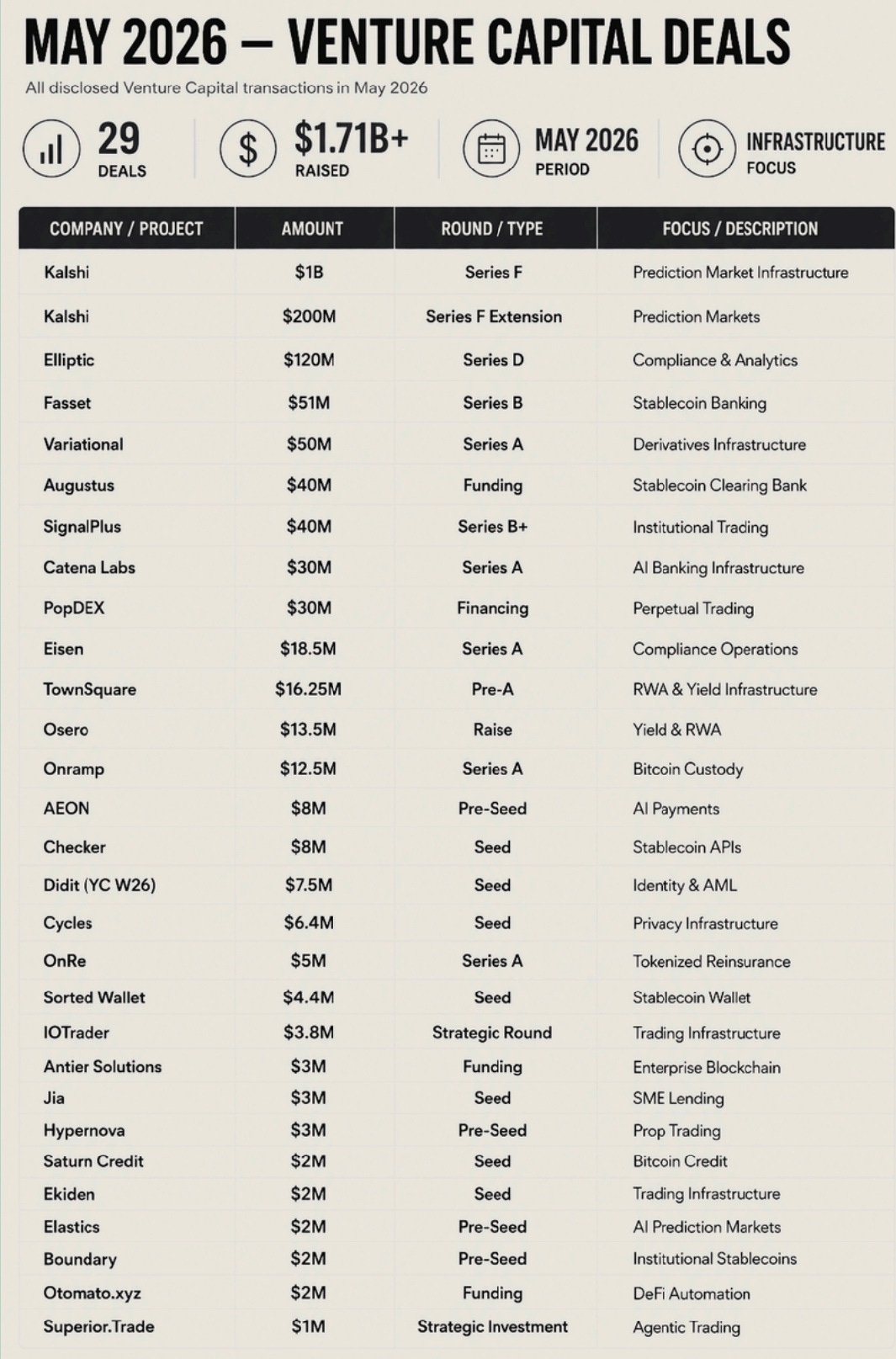
The issue also covers the full May deal flow ($8.7B+ in disclosed transactions), a stablecoin data hub with market structure breakdowns, and a deep-dive partnership piece on privacy infrastructure with Hinkal.