

Video of the Week
Deep Dive of the Week
Breaking Down Shopify and Google’s Universal Commerce Protocol

Commerce is messy and complex. The Universal Commerce Protocol (UCP) tackles that complexity head-on by defining a common language for any AI agent to transact with any merchant. Co-developed by Shopify and Google (with backing from 20+ retailers and platforms), UCP is an open standard built to make integrations fast and flexible. In this deep dive, I break down UCP’s architecture, how agents and merchants negotiate capabilities, Shopify’s embedded checkout approach, and how this protocol is powering AI-native commerce across ChatGPT, Google’s Gemini, Microsoft Copilot, and beyond. I also examine how Shopify’s Agentic Catalog opens this ecosystem to every merchant. Let’s get into it.

This week’s reports

1️⃣$𝟏𝟗𝟎 𝐓𝐫𝐢𝐥𝐥𝐢𝐨𝐧 𝐌𝐨𝐯𝐞𝐬 𝐂𝐫𝐨𝐬𝐬-𝐁𝐨𝐫𝐝𝐞𝐫 𝐄𝐯𝐞𝐫𝐲 𝐘𝐞𝐚𝐫. 𝐓𝐡𝐞 𝐈𝐧𝐟𝐫𝐚𝐬𝐭𝐫𝐮𝐜𝐭𝐮𝐫𝐞 𝐈𝐬 𝐒𝐭𝐢𝐥𝐥 𝐂𝐚𝐭𝐜𝐡𝐢𝐧𝐠 𝐔𝐩
3️⃣𝐀𝐈 𝐰𝐢𝐥𝐥 𝐧𝐨𝐭 𝐭𝐫𝐚𝐧𝐬𝐟𝐨𝐫𝐦 𝐚𝐥𝐥 𝐛𝐚𝐧𝐤𝐬 𝐞𝐪𝐮𝐚𝐥𝐥𝐲
4️⃣𝐖𝐡𝐲 𝐀𝐬𝐢𝐚 𝐈𝐬 𝐁𝐞𝐜𝐨𝐦𝐢𝐧𝐠 𝐭𝐡𝐞 𝐆𝐥𝐨𝐛𝐚𝐥 𝐓𝐞𝐬𝐭𝐛𝐞𝐝 𝐟𝐨𝐫 𝐀𝐠𝐞𝐧𝐭𝐢𝐜 𝐀𝐈 𝐢𝐧 𝐁𝐚𝐧𝐤𝐢𝐧𝐠
5️⃣𝐓𝐡𝐞 𝟐𝟎𝟐𝟓 𝐒𝐭𝐚𝐛𝐥𝐞𝐜𝐨𝐢𝐧 𝐘𝐞𝐚𝐫‑𝐄𝐧𝐝 𝐑𝐞𝐩𝐨𝐫𝐭 𝐛𝐲 𝐒𝐭𝐚𝐛𝐥𝐞𝐜𝐨𝐢𝐧 𝐈𝐧𝐬𝐢𝐝𝐞𝐫
6️⃣𝐓𝐡𝐞 𝐒𝐭𝐚𝐭𝐞 𝐨𝐟 𝐄𝐮𝐫𝐨 𝐒𝐭𝐚𝐛𝐥𝐞𝐜𝐨𝐢𝐧𝐬 𝟐𝟎𝟐𝟓
7️⃣𝐀 𝐒𝐭𝐚𝐭𝐮𝐬 𝐑𝐞𝐩𝐨𝐫𝐭 - 𝐌𝐚𝐫𝐤𝐞𝐭𝐬 𝐢𝐧 𝐂𝐫𝐲𝐩𝐭𝐨 𝐀𝐬𝐬𝐞𝐭𝐬 [ 𝐌𝐢𝐂𝐀 ] 𝐑𝐞𝐠𝐮𝐥𝐚𝐭𝐢𝐨𝐧
This week’s insights
1️⃣𝐖𝐚𝐭𝐜𝐡𝐥𝐢𝐬𝐭 𝐒𝐜𝐫𝐞𝐞𝐧𝐢𝐧𝐠 𝐢𝐧 𝐅𝐢𝐧𝐭𝐞𝐜𝐡 𝐒𝐭𝐚𝐜𝐤
2️⃣𝐊𝐘𝐂 𝐢𝐧 𝐚𝐧 𝐀𝐠𝐞𝐧𝐭𝐢𝐜 𝐀𝐫𝐜𝐡𝐢𝐭𝐞𝐜𝐭𝐮𝐫𝐞
3️⃣𝐒𝐭𝐚𝐛𝐥𝐞𝐜𝐨𝐢𝐧𝐬 𝐟𝐨𝐫 𝐀𝐈 𝐚𝐠𝐞𝐧𝐭𝐬 𝐚𝐧𝐝 𝐰𝐡𝐲 𝐇𝐓𝐓𝐏 𝟒𝟎𝟐 𝐦𝐚𝐭𝐭𝐞𝐫𝐬 𝐚𝐠𝐚𝐢𝐧
4️⃣𝐂𝐨𝐦𝐩𝐚𝐫𝐢𝐬𝐨𝐧 𝐨𝐟 𝐫𝐞𝐠𝐮𝐥𝐚𝐭𝐨𝐫𝐲 𝐟𝐫𝐚𝐦𝐞𝐰𝐨𝐫𝐤𝐬 𝐟𝐨𝐫 𝐬𝐭𝐚𝐛𝐥𝐞𝐜𝐨𝐢𝐧 𝐢𝐬𝐬𝐮𝐚𝐧𝐜𝐞
5️⃣𝐑𝐞𝐭𝐚𝐢𝐥 𝐛𝐚𝐧𝐤𝐢𝐧𝐠 𝐀𝐈 𝐫𝐞𝐚𝐝𝐢𝐧𝐞𝐬𝐬 𝐢𝐧𝐝𝐞𝐱
6️⃣𝐀𝐭 𝐢𝐭𝐬 𝐜𝐨𝐫𝐞, 𝐚 𝐛𝐚𝐧𝐤 𝐜𝐡𝐚𝐫𝐭𝐞𝐫 𝐢𝐬 𝐧𝐨𝐭 𝐣𝐮𝐬𝐭 𝐚 𝐥𝐢𝐜𝐞𝐧𝐬𝐞
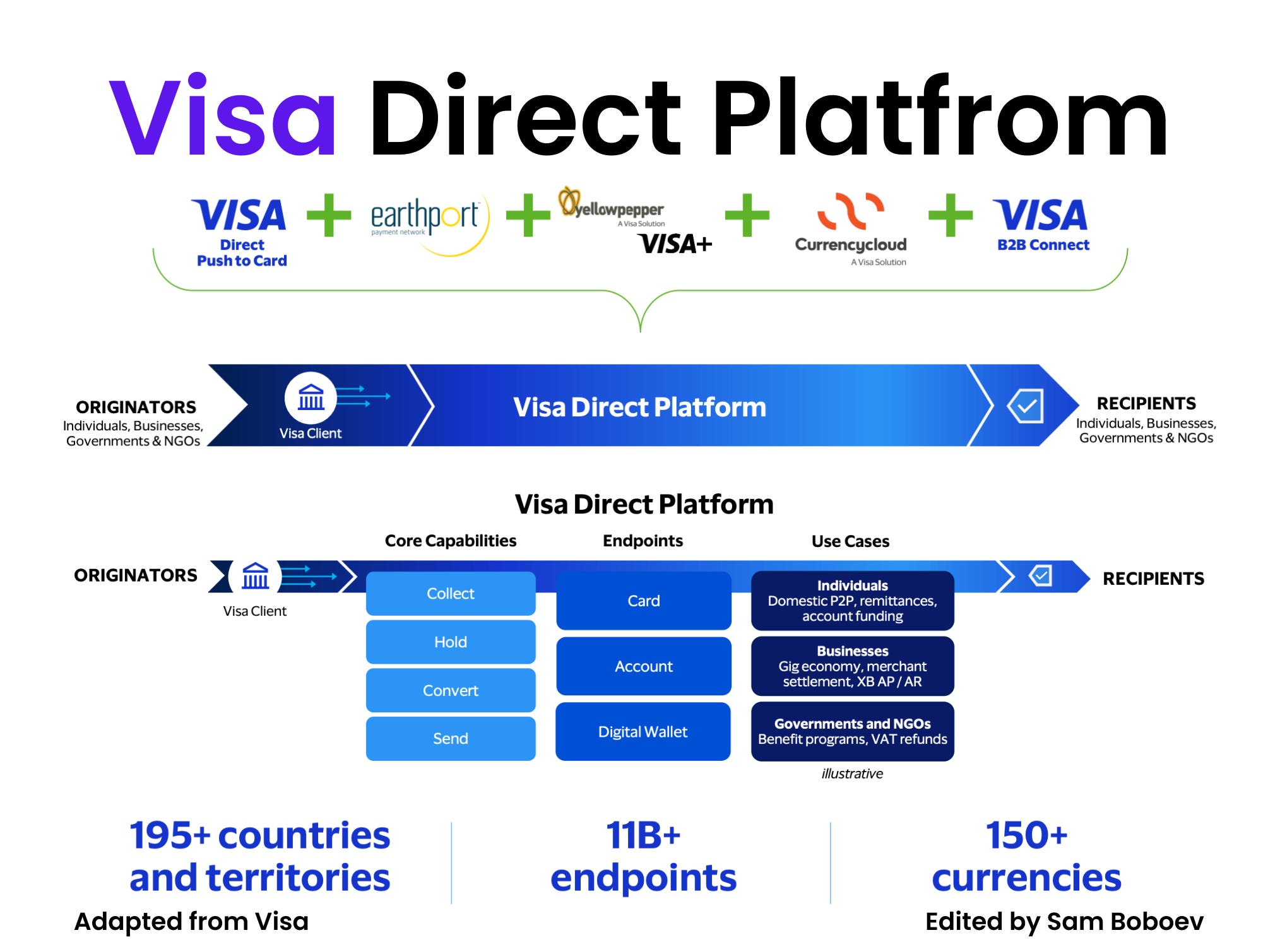
7️⃣𝐖𝐡𝐚𝐭’𝐬 𝐮𝐧𝐝𝐞𝐫𝐧𝐞𝐚𝐭𝐡 𝐕𝐢𝐬𝐚 𝐃𝐢𝐫𝐞𝐜𝐭?
𝐖𝐚𝐭𝐜𝐡𝐥𝐢𝐬𝐭 𝐒𝐜𝐫𝐞𝐞𝐧𝐢𝐧𝐠 𝐢𝐧 𝐅𝐢𝐧𝐭𝐞𝐜𝐡 𝐒𝐭𝐚𝐜𝐤
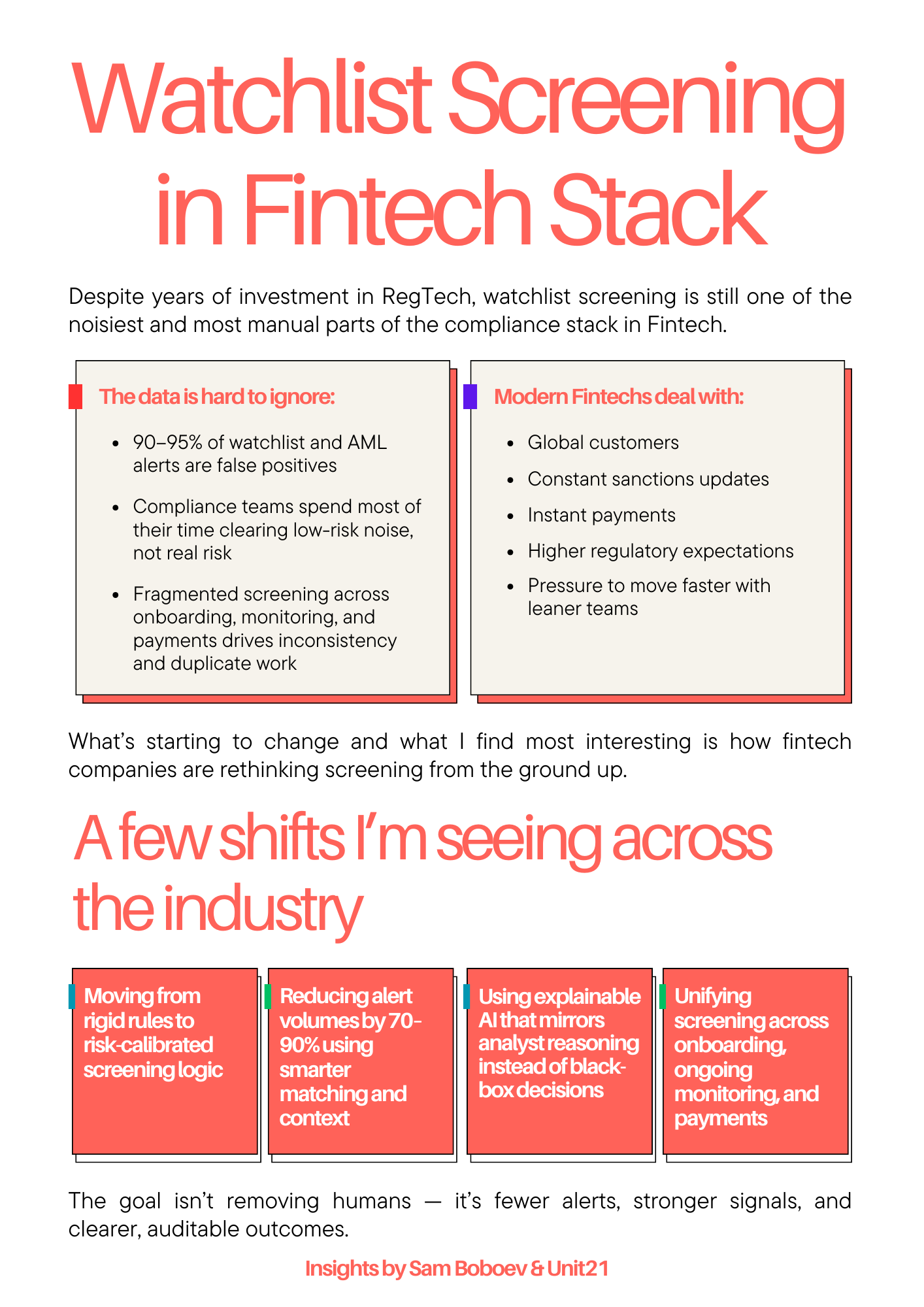
Despite years of investment in RegTech, watchlist screening is still one of the noisiest and most manual parts of the compliance stack in Fintech.
____
The data is hard to ignore:
• 90–95% of watchlist and AML alerts are false positives across many institutions
• Compliance teams spend the majority of their time reviewing low-risk matches, not real threats
• Fragmented screening across onboarding, ongoing monitoring, and payments leads to inconsistent decisions and duplicated work
____
As volumes grow and real-time payments expand, this model simply doesn’t scale. The real problem isn’t a lack of technology.
It’s outdated screening logic and disconnected systems.
Most screening setups were built for static, rules-based environments. But today, fintechs are dealing with: