

The reports highlight major shifts in financial services driven by AI, fraud prevention, agentic commerce, and blockchain-based payments. Agentic AI for Banking explores how autonomous AI can improve efficiency, personalization, and banking operations, while Banking on Banks 2026 examines how economic uncertainty, inflation, borrowing costs, and fraud are affecting European financial services. Agentic Commerce Pulse Report finds that agentic commerce is already gaining adoption, with security and data protection remaining key concerns. Meanwhile, Authorised Payment Fraud provides a policy framework for combating the growing fraud threat. The blockchain-focused reports argue for greater bank participation in public blockchain infrastructure and explore tokenized deposits and stablecoins as emerging forms of bank money.
Video of the Week
Deep Dive of the Week
Breaking Down PingPong’s Full-Stack Financial Infrastructure

When it comes to today’s cross-border landscape, legacy banking pipelines are largely fragmented. While existing payment orchestration provides connectivity, it does not solve the core structural problems of multi-entity reconciliation and settlement. Transaction routing systems introduce additional fees and latency, and each intermediary screens the payment on its own schedule, making settlement windows unexpected and unpredictable.
Add on another layer: data, and the problem becomes easier to miss and more complex to solve. In a multi-hop correspondent chain, structured remittance fields, ultimate debtor identifiers, and invoice references are stripped during format translations between intermediary core banking systems. That loss breaks straight-through processing for ERP systems and forces manual exception handling at the receiving end.
Replacing these intermediaries requires fully owned, vertically integrated rails. True scale in global payments comes from owning the whole stack rather than layering software over infrastructure someone else controls.

This week’s reports
1️⃣Agentic AI for Banking
2️⃣Banking on Banks 2026
3️⃣Agentic Commerce Pulse Report
4️⃣Authorised Payment Fraud
5️⃣Banks Should Validate Public Blockchains
6️⃣Tokenized Money
for Banks
7️⃣What Is The PayPal Mafia Building In 2026?
Agentic AI for Banking
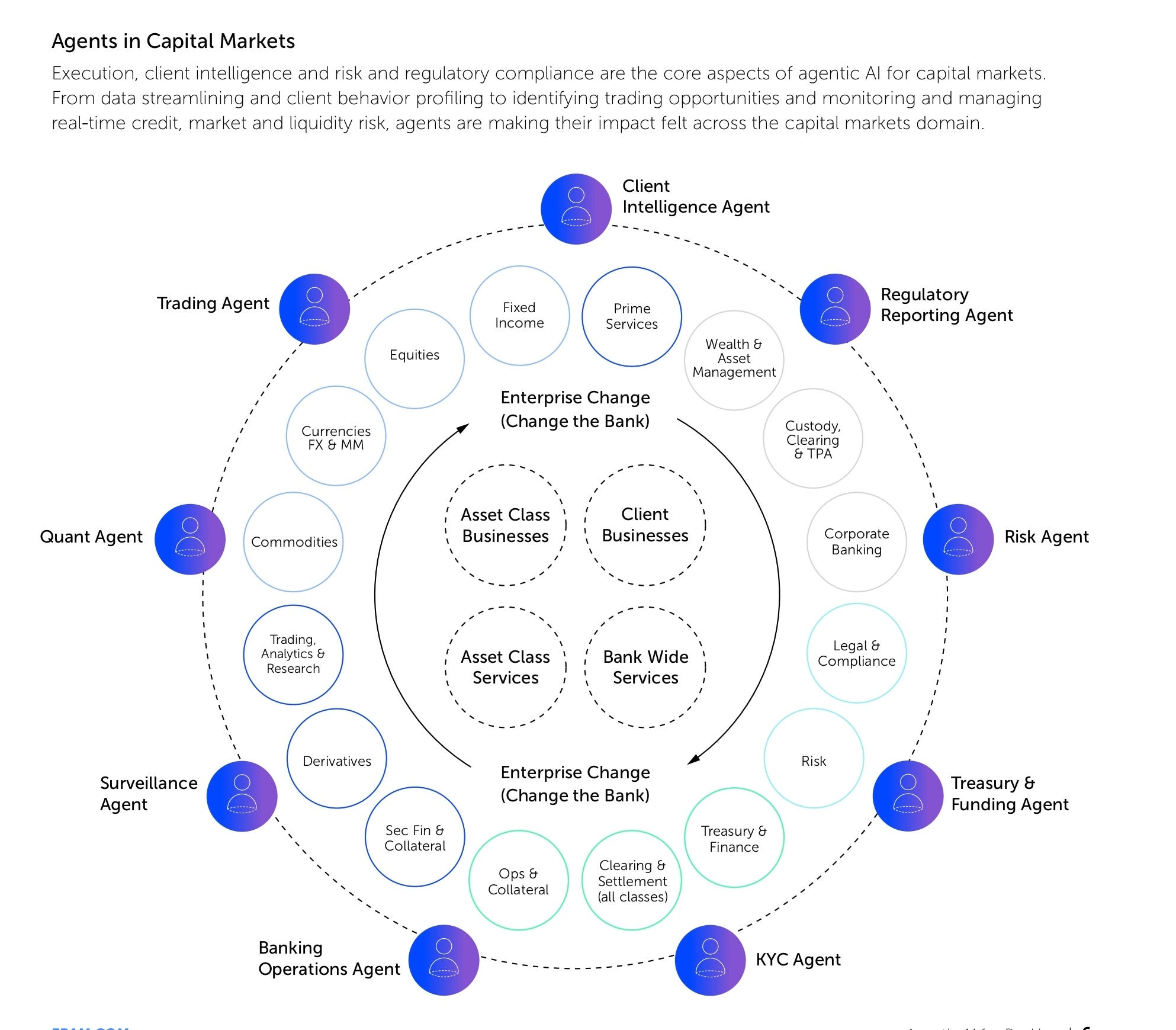
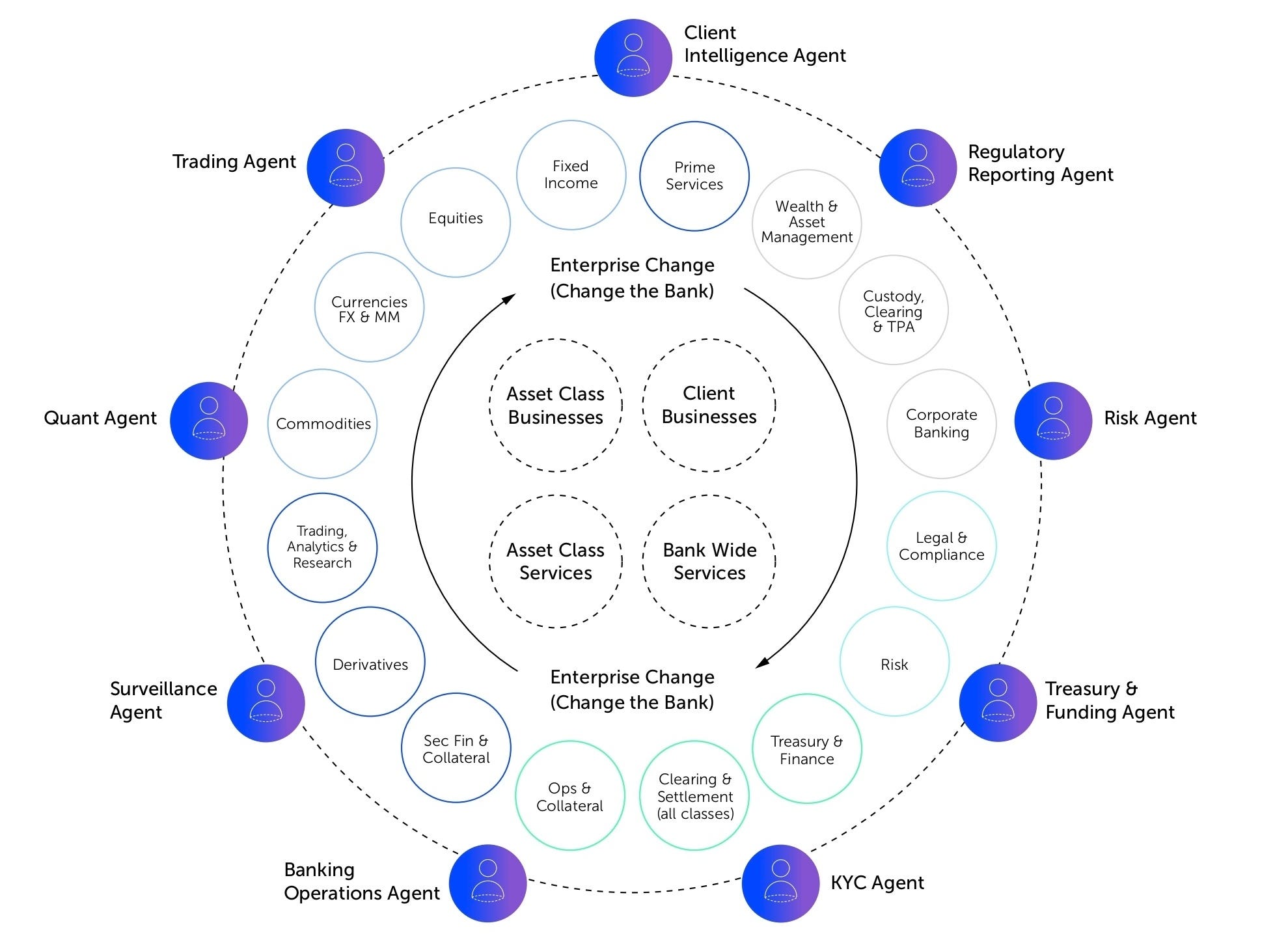
Many financial services organizations have already implemented early AI technologies. Agentic AI represents the next step in the evolution of autonomous AI technology and a significant leap in its capabilities. But how do you bring it to your organization successfully?
The potential impacts of AI for financial services:
- Efficiency savings, innovation and $3 trillion in corporate productivity gains
- A 5.4% EBITDA improvement for the average company
- An average 2.3x return on agentic AI investments within 13 months
- Hyper-personalization that directly translates to stronger customer loyalty and reduced churn
In “Agentic AI for Banking”
This eBook is a guide for all financial services organizations looking to take agentic AI beyond pilots and proofs of concept into day-to-day operations. In it, you’ll discover:
What agentic AI is and how humans and AI agents work together