

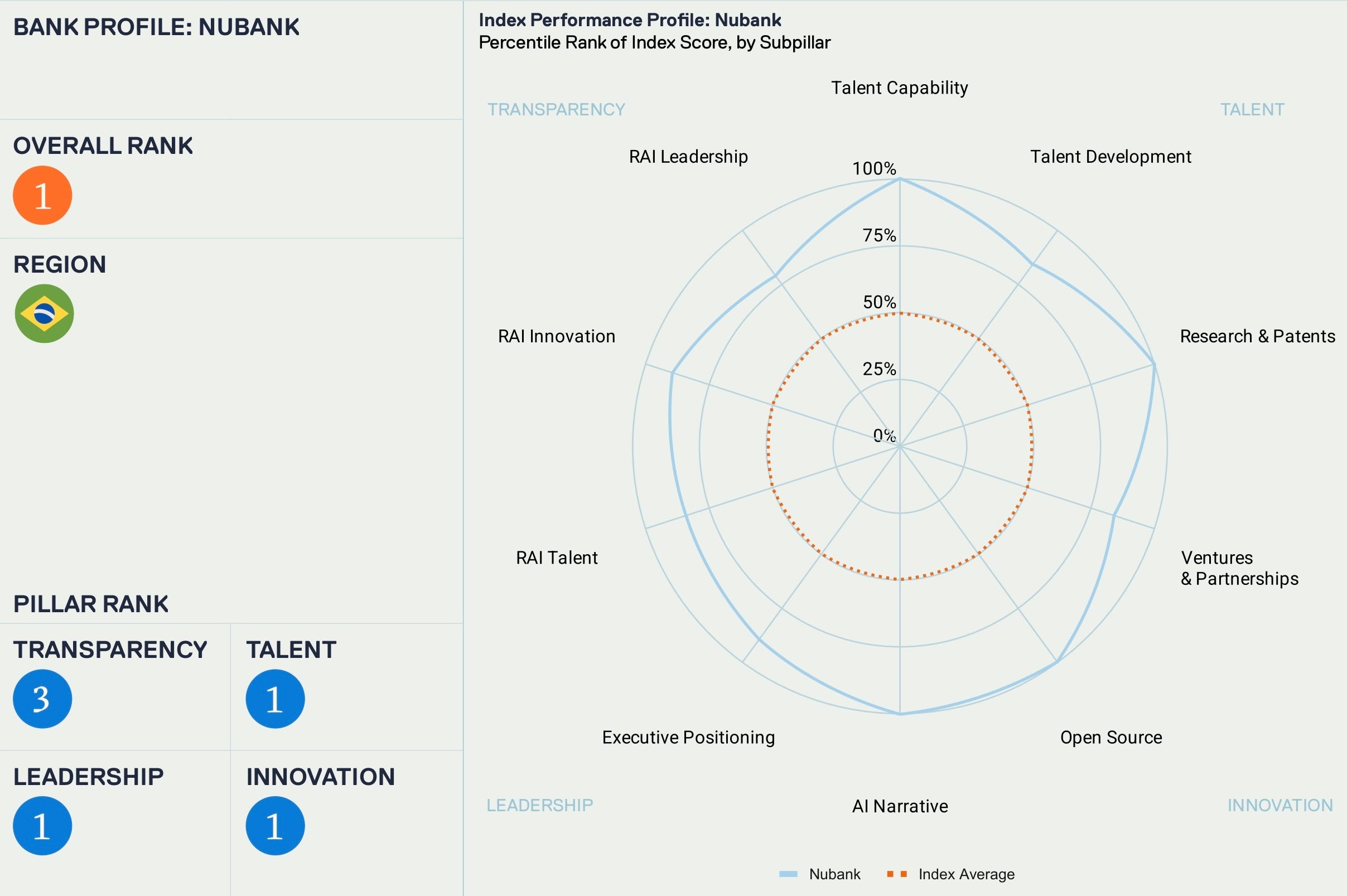
This week’s reports focus on how AI, data, and new financial infrastructure are reshaping banking and commerce. Key themes include transaction foundation models as a shared intelligence layer for fraud, credit, and payments; non-banks increasingly capturing parts of SMB banking relationships; the growing need for robust on-chain data infrastructure; and the role of Open Finance as a foundation for AI-powered financial services. Other reports highlight payments intelligence and agentic commerce as emerging competitive advantages, while Evident’s LATAM AI Index shows Brazilian banks—led by Nubank and Itaú—outpacing the region in AI adoption and measurable use cases, despite talent and ROI challenges.
Video of the Week
Deep Dive of the Week
The US Expense/Spend Management Companies Directory

I built a structural map of the US spend management category because the space has quietly split into distinct business models that get lumped together under one label. Some of these companies are regulated issuers running their own card programs. Others route every card through a partner bank and never touch a BIN. This guide breaks down 22 platforms across five segments, with license type, card networks, card types, features, and regional coverage for each. I also built a companion Excel file with the full dataset so you can filter and compare without scrolling through prose.

This week’s reports
1️⃣How to build transaction foundation models in banking and payments
2️⃣Non-banks are winning business banking
3️⃣The Gateway to Digital Asset: On-Chain Data Infrastructure
4️⃣Artificial intelligence and open finance
5️⃣The next era of commerce will be won on payments intelligence
6️⃣Agentic Commerce: China’s Lead, Europe’s Choice
7️⃣AI in Index in Banks - LATAM
How to build transaction foundation models in banking and payments
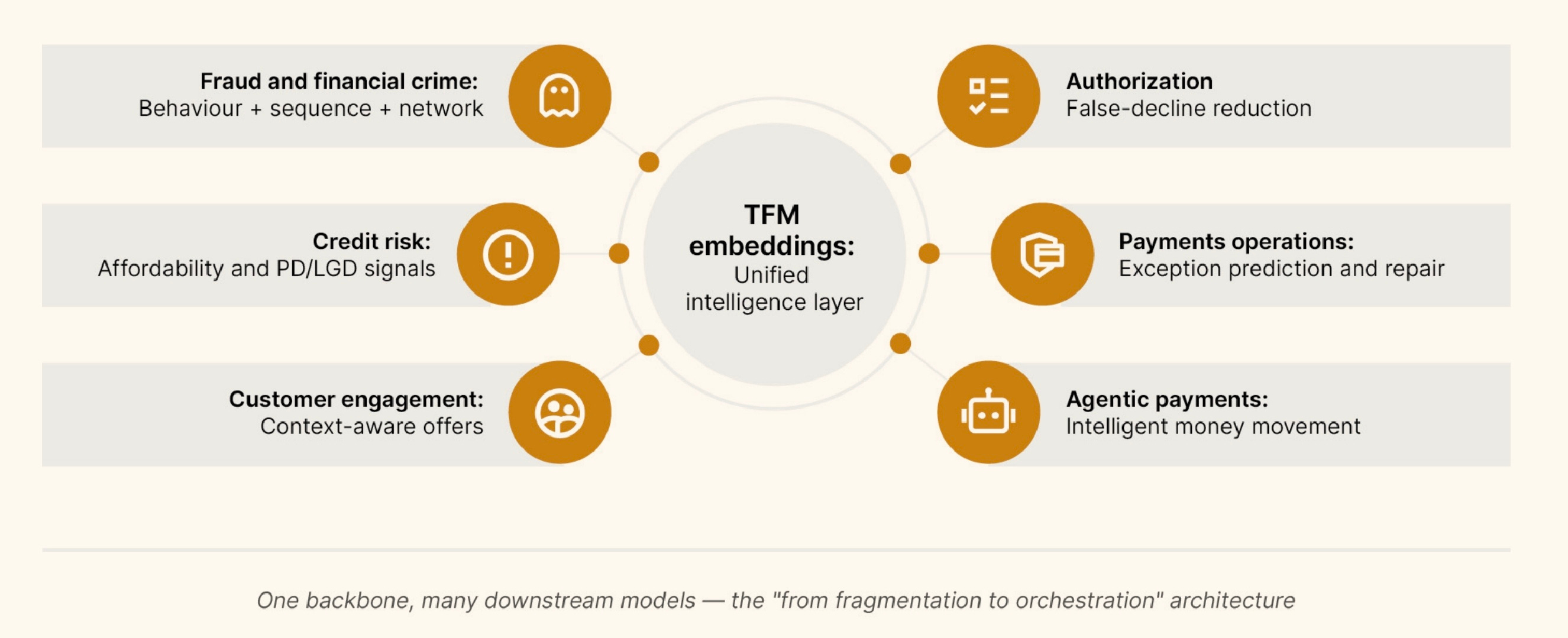
Transaction foundation models (TFMs) are emerging as a new intelligence layer for banking and payments. They are designed to learn from transaction histories such as payment events, customer behavior, merchant activity and operational outcomes, and turn that learning into reusable embeddings that can improve multiple downstream use cases.
The idea is simple but powerful.
Instead of building a separate feature pipeline and model for every problem (fraud, credit, authorization, reconciliation, customer engagement, liquidity forecasting), an institution can build one shared representation of transaction behavior and reuse it across many models and workflows.