

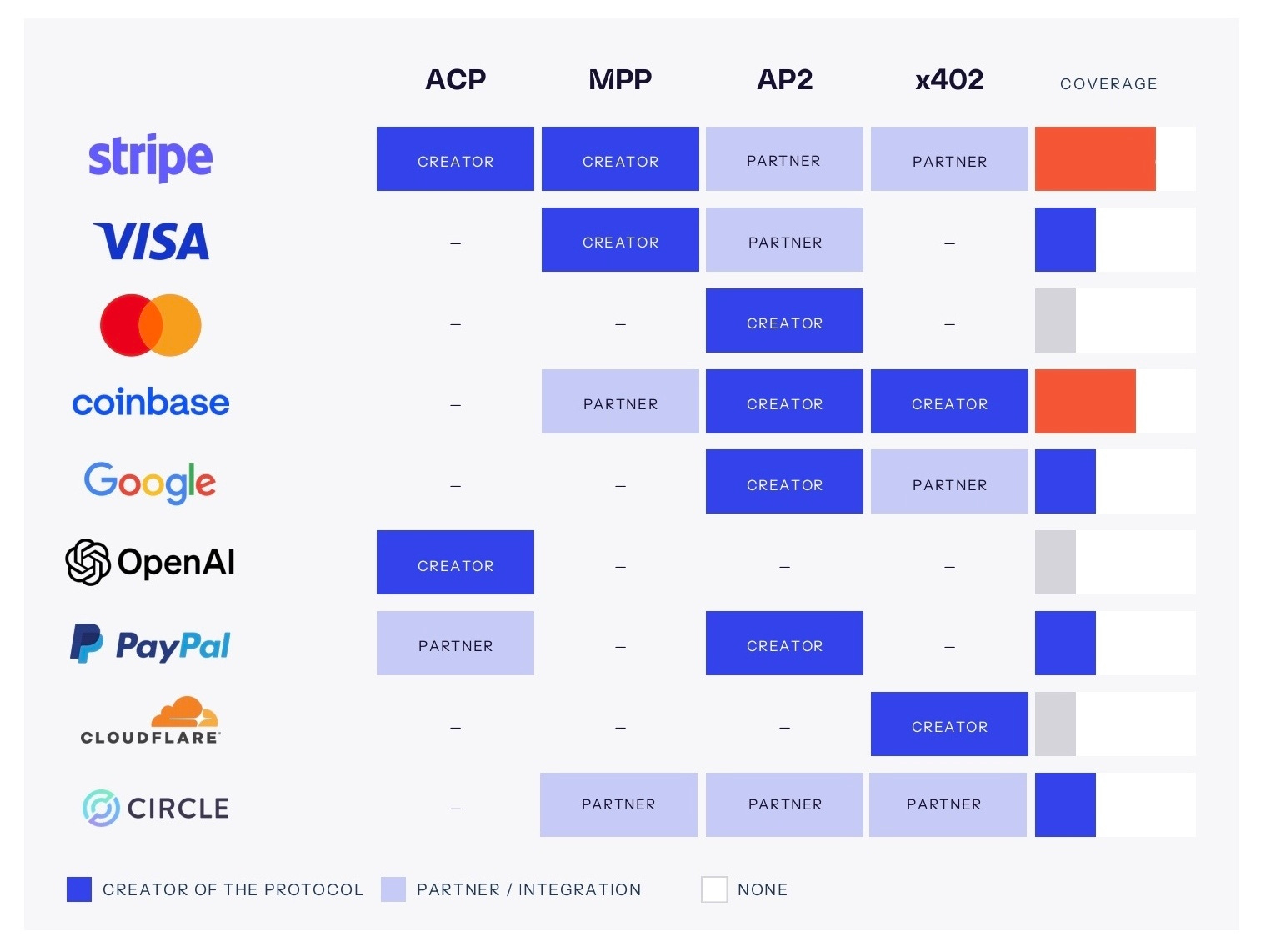
This week’s reports explore how AI and digital-asset technologies are reshaping financial services, work, and payments. Agentic AI is moving from experimentation toward real operational use, creating new opportunities for banks and other financial firms while also raising challenges around governance, fraud, accountability, workforce change, and employee adoption. At the same time, tokenization and distributed-ledger-based payments are advancing gradually, with their success depending less on the technology itself and more on practical benefits, regulation, interoperability, trust, and integration with existing financial infrastructure.
Video of the Week
Deep Dive of the Week
The UK and EU Core Banking Companies Directory

I built this guide because core banking shortlists in the UK and EU are still assembled from analyst quadrants, vendor decks and whoever the systems integrator knows best. I profiled 18 core providers against the same set of criteria: architecture, deployment, product coverage, payment rails, compliance posture, pricing and named UK and EU clients. The market moved a lot this year. Finastra agreed to sell its core banking unit, Deutsche Bank’s Private Bank signed with Thought Machine, and several vendors changed CEOs, so older vendor maps are already out of date.

This week’s reports
1️⃣The State of Autonomous Finance 2026
2️⃣Two futures for jobs in an AI era
3️⃣Benchmark AI Agents x Stablecoins
4️⃣The state of AI in 2026: On the road to ROI
5️⃣Distributed Ledger Technology and the Future of Payments in Canada
6️⃣How to close the agentic adoption gap
7️⃣2026 Report on Tokenization Adoption
The State of Autonomous Finance 2026
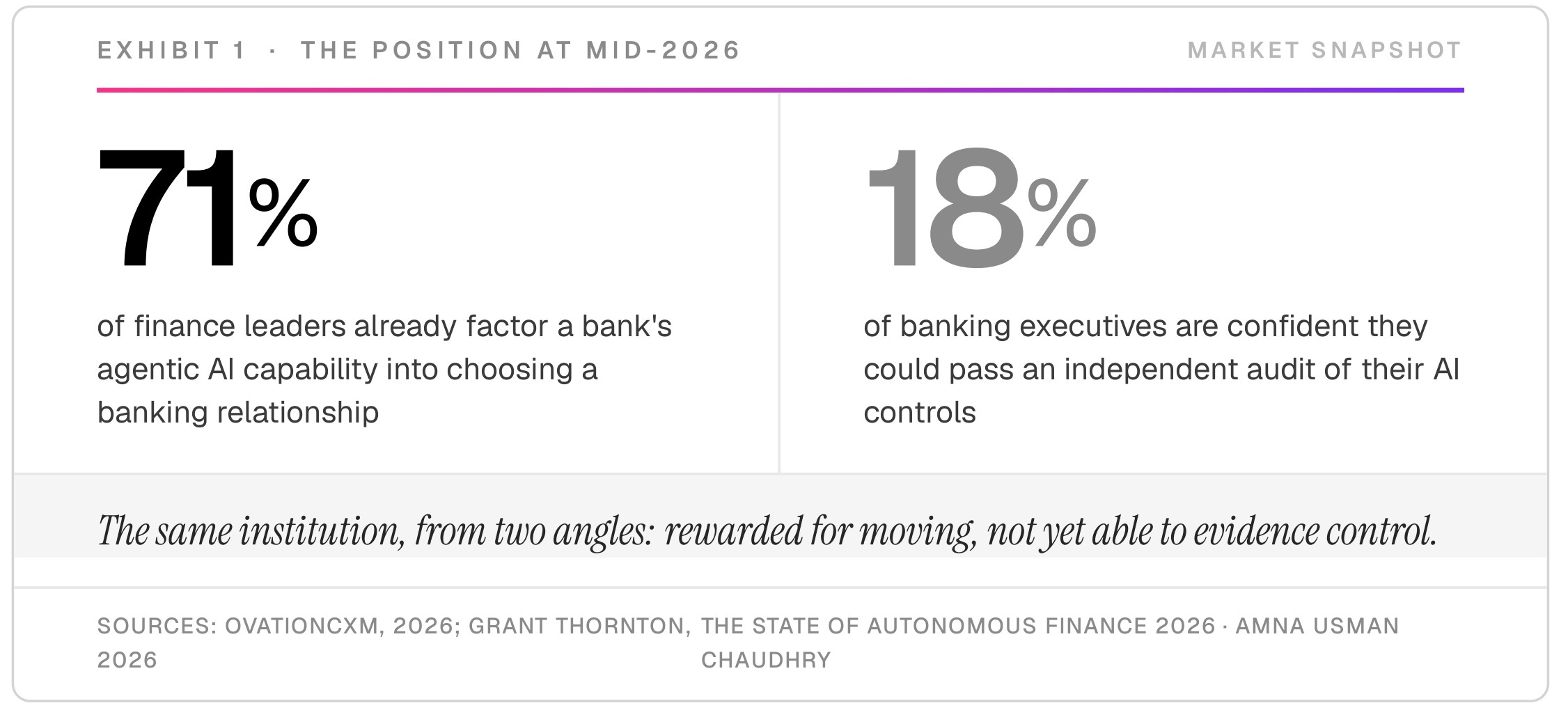
Two findings frame the position of financial institutions at mid 2026
The first is commercial. A survey of 522 finance leaders published in June found that 71% already factor a bank’s agentic AI capability into choosing or expanding a banking relationship, rising to nearly eight in ten among mid-market companies. 69% said they would pay their bank for secure, compliant, auditable agentic connectivity. Agentic capability has become a selection criterion for commercial banking relationships. The competitive contest is moving from the account layer to the workflow layer, and the ERP systems, treasury platforms, and fintech applications already embedded in clients’ workflows are positioned to capture that role if banks do not.