

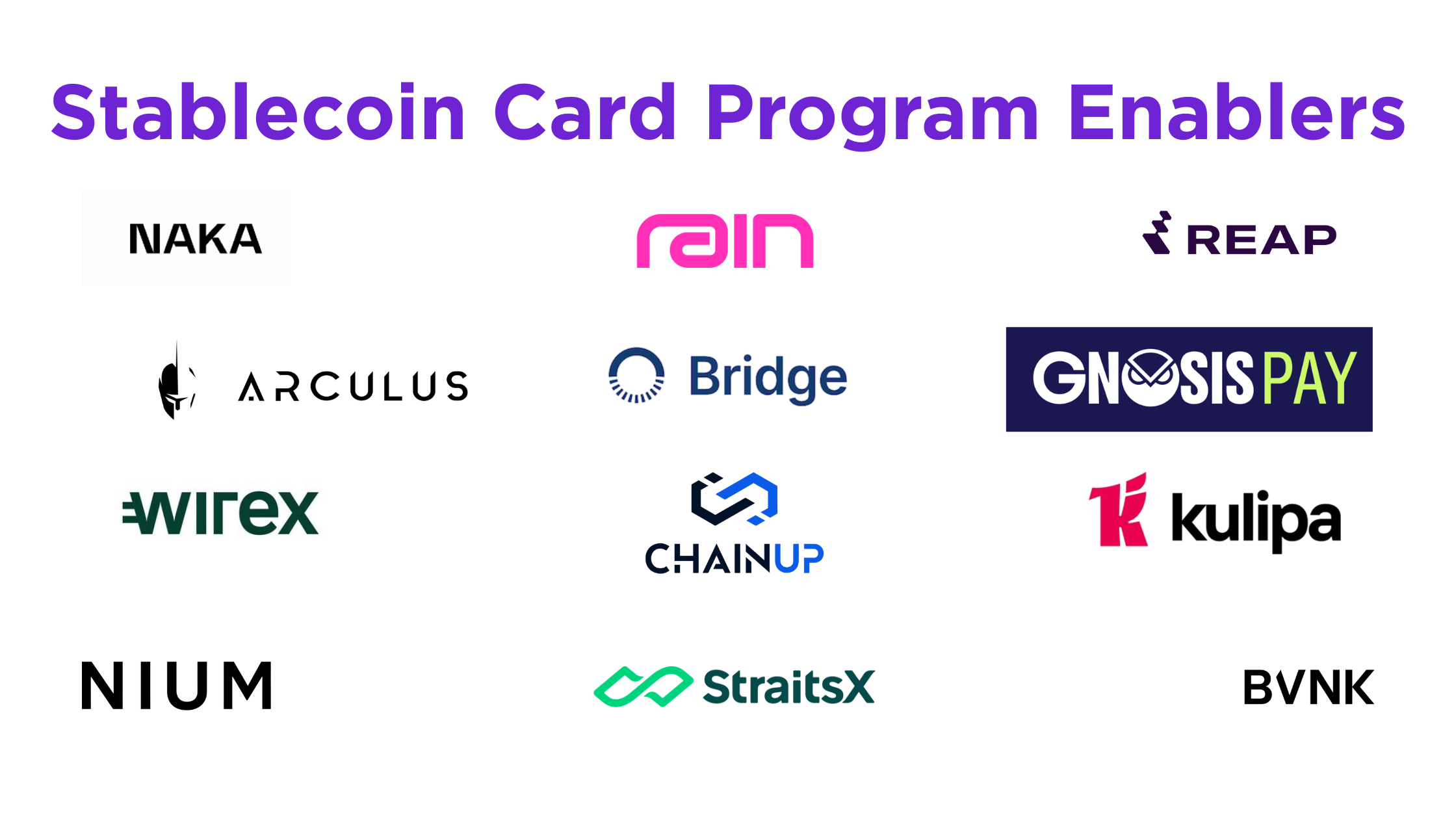
The financial ecosystem of 2026 has definitively transitioned from a phase of speculative exploration to one of rigorous institutionalization. Stablecoins, once viewed through the lens of decentralized finance experiments, now serve as the primary settlement rails for internet-native commerce, representing a structural shift in how value is moved and spent globally. This transformation is anchored by the full deployment of the European Union’s Markets in Crypto-Assets (MiCA) regulation and the United States’ Guiding and Establishing National Innovation for U.S. Stablecoins (GENIUS) Act, both of which have reached critical enforcement milestones as of early 2026.
In the European theatre, the April 2026 status report from the Spanish Government and EU tax agencies confirms that MiCA has moved from a legislative framework into an “eminently supervisory cycle”. The “grandfathering” transitional periods, which allowed legacy providers to operate under limited oversight, are concluding, with a hard deadline of July 1, 2026, for all Crypto-Asset Service Providers (CASPs) to secure full MiCA authorization or cease operations. This regulatory rigor has resulted in a consolidated market of 38 accredited Electronic Money Token (EMT) issuers, ensuring that any card program operating within the Eurozone utilizes tokens backed one-to-one by high-quality liquid assets and redeemable at par value.1 The implication for fintech founders is profound: the “regulatory arbitrage” era is over. Launching a card in Europe now requires an infrastructure partner that is either an Electronic Money Institution (EMI) or maintains a primary relationship with one to ensure that euro-denominated settlement layers like EURe are compliant with the categorical ban on interest-bearing stablecoins.
Simultaneously, the United States has seen the rapid maturation of the GENIUS Act framework. As of April 2026, the Federal Deposit Insurance Corporation (FDIC) and the Office of the Comptroller of the Currency (OCC) have issued comprehensive rules defining the pathways to becoming a Permitted Payment Stablecoin Issuer (PPSI).9 These pathways—spanning subsidiaries of insured depository institutions, federally qualified issuers (FQPSIs), and state-qualified issuers (SQPSIs)—have effectively brought stablecoin issuance into the federal banking perimeter. For product managers, this means that U.S.-based stablecoin cards are no longer “fringe” products; they are regulated financial instruments supported by “pass-through” deposit insurance models and strict reserve asset concentration limits, which prohibit any single financial institution from holding more than 40% of an issuer’s reserve assets. The 2026 market is thus characterized by “bank-grade” systems that support multi-jurisdictional operations, where stablecoins like USDC and PYUSD are treated with the same prudential respect as traditional commercial bank deposits.
This institutionalization has driven stablecoin transfer volumes to unprecedented heights. By 2024, volume had already reached $27.6 trillion, exceeding the combined transaction volumes of Visa and Mastercard, and by 2026, this momentum has only accelerated as cross-border B2B payments and consumer card programs have matured. The “wild ride” of crypto has been replaced by the “steady hum” of stablecoin infrastructure, where the focus has shifted from ideological debates to the practical details of slippage management, cost-basis tracking, and real-time settlement across 190+ countries.
Comparative analysis of infrastructure enablers
Choosing an infrastructure partner in 2026 requires a multidimensional evaluation of their regulatory footprint, network permissions, and technological architecture. The following directory provides a structured comparison of the most significant enablers currently facilitating stablecoin card programs.
The competitive moats of the big six
Nium has solidified its moat by leveraging its status as a global infrastructure leader for real-time cross-border payments. By launching its stablecoin card issuance platform in early 2026, Nium effectively merged its 190-country payout network with the ability to issue cards on both Visa and Mastercard networks through a single API integration. For a fintech founder, Nium’s value proposition is “complexity abstraction”; they handle the chain-of-conversion complexity and the heavy regulatory lift of holding licenses across dozens of jurisdictions, which previously required months of custom infrastructure work. Their partnership with Coinbase further enhances their liquidity routing, making them the primary choice for enterprise-scale B2B and travel-related card programs that require high-volume, reliable settlement.
Rain differentiates itself with a “stablecoin-native” thesis for corporate finance. Its primary moat is built around the corporate expense use case for Web3 entities and DAOs. Rain’s cards allow organizations to spend directly from their stablecoin-denominated treasuries without constant fiat off-ramping. Their system utilizes smart contracts to turn “digital dollars into code,” enabling money-conditional transfers and real-time global settlements. For example, a Rain program can employ pre-funded escrow accounts where funds are released only when specific on-chain or off-chain triggers (like GPS delivery confirmation) are met. This makes Rain more than just a card issuer; they are a treasury management layer for the decentralized economy.
Baanx has carved out a unique position as the pioneer of the “self-custody card.” Their core moat is the ability to let users spend digital assets directly from their own wallets—including hardware wallets—without relinquishing control of the private keys. This “OpenFi” approach bridges traditional IBAN accounts with tokenized assets, allowing for instant finality on pricing across multiple FX pairs. Baanx’s infrastructure is particularly attractive to firms seeking to offer lending products, as users can borrow against their digital assets to fund card spending, effectively creating a credit line that avoids the immediate tax consequences of selling crypto.
Bridge (now the infrastructure arm of Stripe) remains the “developer-first” champion. Its moat is the “Open Issuance” platform, which allows businesses to launch their own branded stablecoins within days and immediately attach them to Visa-powered virtual or physical cards. Bridge supports a diverse range of funding models, from custodial Bridge wallets to non-custodial Privy wallets and Stripe Financial Accounts. Their focus is on “orchestration”—they provide the API-driven plumbing that handles the movement of USDB or other “GENIUS-ready” stablecoins across eight major chains (Ethereum, Solana, Base, Polygon, Arbitrum, Avalanche, Optimism, and Stellar).
BVNK serves the enterprise B2B and cross-border treasury market, with a moat defined by “bank-grade” multi-jurisdictional compliance. Reporting $10 billion in annualized transaction volume, BVNK is a dominant player in the UK and European corridors. Their specific value proposition is their deep integration with incumbent rails; they were among the first to enable stablecoin payments for Visa Direct pilot programs and Mastercard’s settlement gateway stack. For fintechs moving regular B2B flows, BVNK offers same-day settlement in 30+ currencies and a mature Travel Rule integration via Notabene, making them the preferred partner for regulated remittance platforms.
Regional and technological specialists
The 2026 directory must also account for specialized players that address specific niches or regional requirements.
NAKA offers a “stablecoin-native” infrastructure that challenges traditional interchange-based revenue models. Their moat is a “Subscription-Based Framework”