

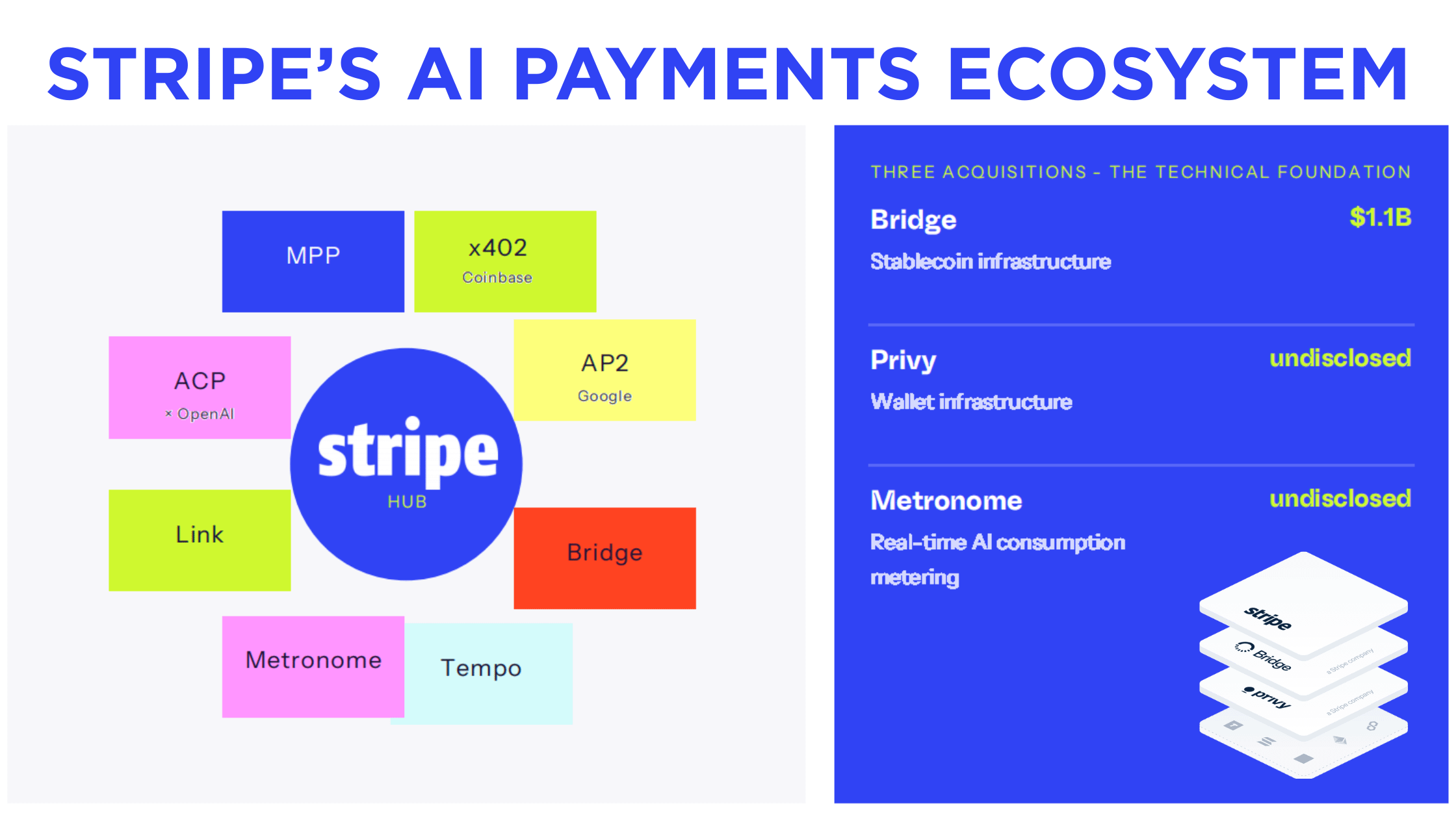
Stripe signed a definitive agreement to acquire OpenRouter for a total consideration exceeding $7.5 billion, structured as a combination of cash and stock with a $1.5 billion retention pool allocated for founders and key engineering personnel. The transaction occurred 82 days after OpenRouter finalized a $113 million Series B funding round at a $1.3 billion post-money valuation. The resulting fivefold valuation step-up represents a significant re-rating of artificial intelligence gateway infrastructure within private technology markets.
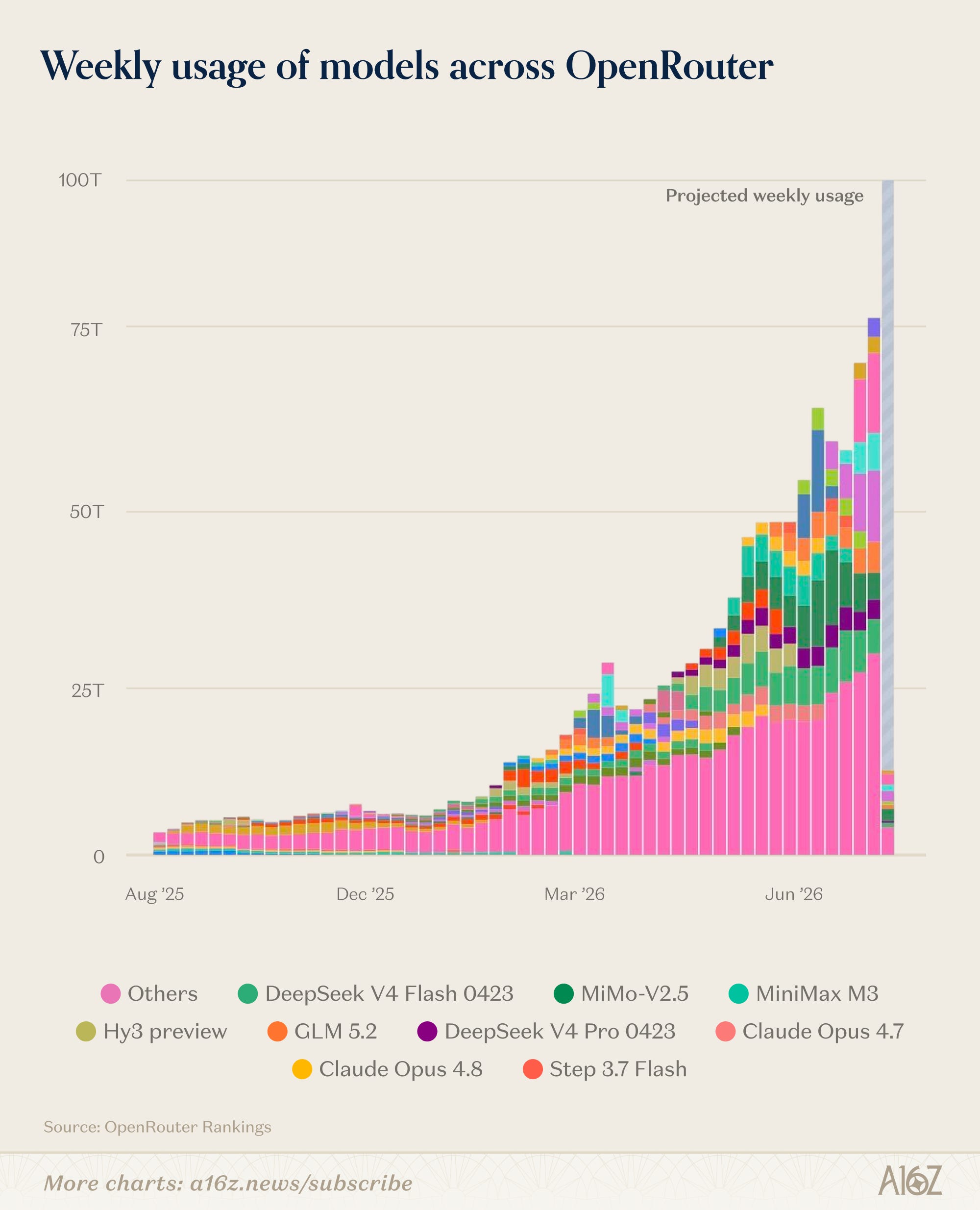
Prior to the acquisition, OpenRouter was processing over 200 trillion tokens monthly, translating to roughly 10 trillion daily tokens across 10 million registered software developers and enterprise accounts. The network aggregates access to 500 individual foundation models across 80 underlying inference providers.
The speed of this acquisition cycle reflects a broader shift in institutional capital deployment. Strategic buyers and venture backers re-evaluated the platform as a core utility layer for artificial intelligence traffic clearing.
Token clearinghouse economics
The strategic foundation of this transaction rests on the premise that tokens have become a primary unit of account and medium of economic value exchange for modern software applications. While foundation model developers engage in intense price competition that compresses compute margins, total inference volume continues to expand exponentially. Business spending telemetry across enterprise software accounts indicates token consumption grew thirteenfold year-over-year.

OpenRouter extracts a 5.5% fee on token purchases routed through its marketplace, alongside tier-based monetization for bring-your-own-key configurations. Operating at the network routing layer insulates the platform from model-level